No Will, Big Risks: Why Having a Will Can’t Wait


Last Updated on September 17, 2026
Have you ever wondered what would happen to your assets and loved ones if something unexpected occurred? Creating a will isn’t just for the wealthy. It’s one of the most important gifts you can give yourself and your family. Despite this, recent studies reveal that only 32% of Americans have an estate plan in 2024, down 6% from 2023. This guide walks through why having a will is crucial, what happens without one, and how to create an effective estate plan that protects your legacy.
You’ll discover the key components every will needs, common mistakes to avoid, and practical steps to ensure your wishes are honoured. Whether you’re approaching retirement or simply want to safeguard your family’s future, understanding estate planning basics provides invaluable peace of mind and prevents costly legal complications for the people you care about most.
Understanding wills
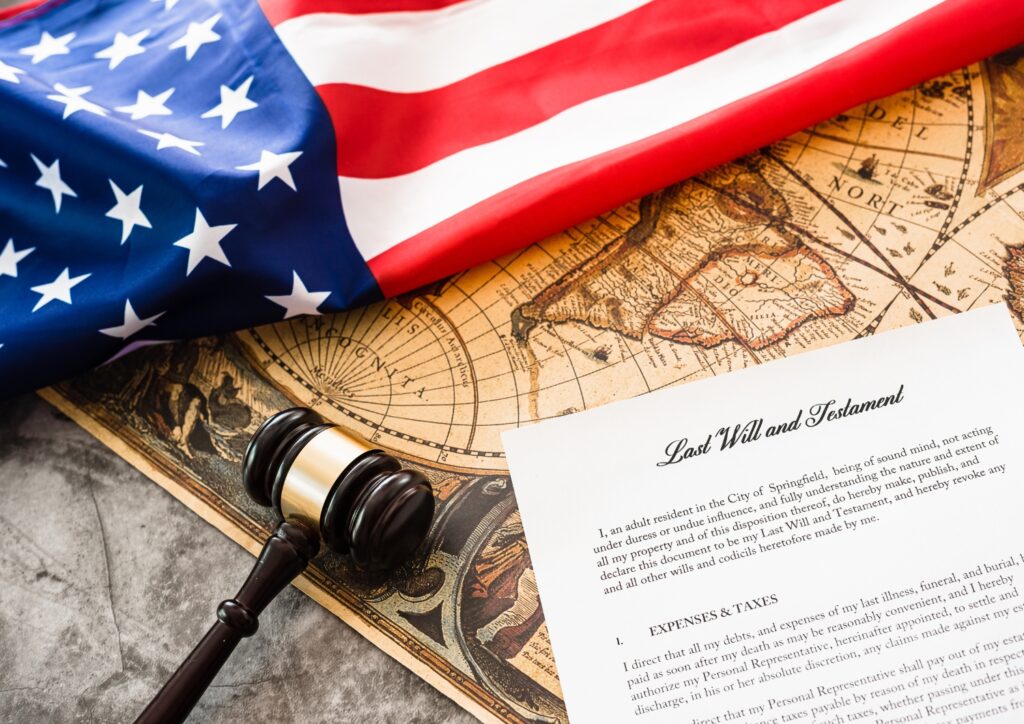
A will is a legal document that serves as your voice when you can no longer speak for yourself. It outlines how you want your assets distributed after your death, specifies who gets what, appoints guardians for minor children, and can even detail your funeral arrangements. Think of it as a roadmap guiding your loved ones through one of life’s most difficult transitions.
Without a will, the state steps in to make decisions on your behalf through a process called intestate succession. Your estate may not go to the people you intended, and disputes among family members can arise, leading to lengthy legal battles. By having a will, you take control and provide clear instructions, minimising conflicts and legal hurdles.

Prefer to listen than read?
The global reality: many adults lack a will
The statistics around will creation are sobering and show a troubling decline in estate planning awareness. Recent surveys indicate only 32% of Americans have an estate plan in 2024, down from 38% in 2023. That represents millions of families who could face unnecessary stress and financial hardship during already difficult times.
Australia
The importance of having a will is widely acknowledged here, yet a significant portion of the population hasn’t taken this essential step. Only 59% of Australians aged 40-65 have a formal will in place, meaning more than 40% in that age group are without one, leaving their assets and final wishes unprotected.
Among those who do have wills, many haven’t updated them in recent years. An outdated will may not reflect current circumstances such as marriage, divorce, the birth of children, or changes in asset ownership. That can lead to unintended asset distribution, potential legal complications and added stress for surviving family members.
United States
The 2024 Caring.com survey reveals that 13% of people say estate planning is too expensive, 23% say they’ll never make one, and 43% will wait until there’s a health crisis. This procrastination can have devastating consequences for families left to navigate complex legal processes while grieving. The decline is particularly concerning among lower-income Americans (a 16% decrease in will creation), though there’s encouraging news among younger adults aged 18-34, who have shown a 50% increase in estate planning since 2020.
Canada
Less than a third of Canadians (about 30%) report having an estate plan, and only about 48% have a will. Age disparities are significant: while 74% of Canadians 55+ have a will, only 34% of those 35-54 and 30% of those 18-34 have one. The lack of a will at any age can lead to unintended consequences, including assets distributed against your wishes and legal complications for surviving family.
United Kingdom
The UK faces a particularly striking situation: a staggering 66% of UK adults don’t have a will, meaning approximately 36 million people are at risk of dying intestate, leaving asset distribution to default legal processes. With the average UK adult leaving assets worth around £48,000, the collective value of unprotected assets exceeds £173 billion. The absence of a will jeopardises individual estates and poses real risks to beneficiaries facing legal challenges and delays.

The issue of outdated wills
Even among those who have a will, many don’t update them regularly, which leads to complications and disagreements after they pass away. Review and update your will periodically to reflect changes in assets, beneficiaries or wishes. Neglecting updates can result in assets going to the wrong beneficiaries or important provisions becoming outdated.
As time goes on, your financial situation, family dynamics and personal preferences change, so keeping your will current avoids confusion or conflict among heirs. It’s also advisable to discuss your wishes with family members: open communication about your estate plan prevents misunderstandings and disputes, and ensures your legacy is carried out as intended.
The risks of dying without a will
Intestate succession occurs when a person dies without a valid will, meaning state or national laws determine who inherits the estate. That distribution may not align with the deceased’s wishes or intentions.
Family disputes and legal complications
- Inheritance conflicts: assets distributed by default laws often don’t reflect personal relationships or needs.
- Strained relationships: family members who feel treated unfairly carry lasting emotional wounds.
- Extended legal processes: court proceedings can drag on for months or years, increasing costs and stress.
- Uncertainty for minor children: courts decide guardianship without knowing your preferences.
Imagine your children having to guess what you would have wanted while dealing with grief and legal complexities. A will eliminates that uncertainty and provides clear guidance during an already challenging time.

Impact on minor children
Without a will, courts decide who becomes guardian of your minor children, which may not reflect your preferences. That adds stress and uncertainty for your family during an already difficult time.
Key components of a valid will
A valid will is a legally binding document communicating your final wishes regarding asset distribution. To be recognised by the courts, it must include specific elements: your personal information, a clear declaration that the document is your will, and your signature, usually witnessed according to the laws of your jurisdiction. The critical components:
Clearly list beneficiaries. Name explicitly who receives your assets, using full legal names and specifying relationships where helpful. Rather than “my nephew”, write “John Michael Smith, son of my sister Mary Smith”. That precision prevents confusion and disputes. Also name contingent beneficiaries in case your primary choices predecease you, ensuring assets still go to people you care about even if circumstances change.
Appoint an executor. Your executor carries significant responsibility: settling outstanding debts, filing tax returns, distributing assets according to your wishes, and managing estate affairs during probate. Choose someone organised, trustworthy and capable of handling financial matters, and always discuss the decision beforehand to ensure they’re willing to serve. Consider naming an alternate.

Specify how assets are distributed. Provide clear, detailed instructions covering all property: real estate, bank accounts, investments, personal belongings and sentimental items. Be specific about each asset and recipient: rather than “I leave my car to my daughter”, write “I leave my 2018 blue Honda Accord to my daughter, Emily Johnson”. For charitable gifts, include the organisation’s full legal name and address. If you have conditions for certain assets (funds for a grandchild’s education, for instance), state them explicitly to guide the executor and beneficiaries.
Common mistakes to avoid
Improper witnessing and signing
Your signature must be witnessed by the appropriate number of people (typically two or three, depending on jurisdiction). Witnesses should be present when you sign and should not be beneficiaries or spouses of beneficiaries, to avoid conflicts of interest.
Using vague language
Ambiguous terms lead to disputes among beneficiaries. Be as specific as possible about assets and recipients. Avoid phrases like “divide equally among my children” without specifying what should be divided or how to handle situations where children have predeceased you.
Failing to update regularly
Life changes require will updates. Marriage, divorce, births, deaths or significant asset changes should prompt a review of your estate plan. Many people with wills never update them, leaving outdated directives that don’t reflect current wishes or circumstances.
Choosing an executor
The executor carries out the instructions in your will, making their role pivotal in ensuring your final wishes are honoured. Their duties extend far beyond distributing assets: they must locate and secure all assets, notify creditors and pay outstanding debts, file final tax returns, manage estate affairs during probate, communicate with beneficiaries and the court, and handle any disputes that arise.
Given those responsibilities, choose someone with strong organisational skills, financial understanding and the emotional capacity to handle potential family conflicts diplomatically.
Selecting the right person
- A family member: a spouse, adult child or close relative who understands your wishes and family dynamics.
- A close friend: someone who knows you well and can act impartially in managing your estate.
- A professional: an attorney, accountant or corporate trustee experienced in estate administration, especially beneficial for complex estates.
Discuss your decision with the chosen person beforehand so you can explain your wishes and provide guidance. Consider the potential executor’s health, age and likely availability, and name an alternate in case your primary choice can’t act. For large or complicated estates, or where family conflict is a concern, appointing a professional executor may be the best course for impartiality and expertise.
Updating and revising your will
Major life events such as marriage or divorce, the birth of a child, or significant financial changes are all good reasons to update your will. Regular reviews ensure it reflects your current wishes and circumstances, and even without major life changes, reviewing every few years is wise. Laws change, and periodic reviews keep you compliant and allow adjustments. Remember: 69% of people with wills have never updated them, potentially leaving outdated directives.
Tax implications
Proper estate planning can reduce the tax burden on your estate, preserving more for your beneficiaries. Strategies include setting up trusts and making charitable donations. Working with financial advisers and attorneys helps you employ legal methods to protect assets from excessive taxation and creditors, ensuring your estate is distributed as you intend.
The role of professional advice. An estate attorney guides you through drafting a will that meets all legal requirements, preventing costly mistakes. Financial planners can offer insight into how your estate fits your overall financial goals, with investment strategies aligned to your estate planning objectives.
The bottom line
In the grand scheme of life, having a will might seem like a task that can wait. But the peace of mind it offers is invaluable. By taking control of your estate planning, you ensure your assets are distributed according to your wishes, your loved ones are cared for, and potential conflicts are minimised. Don’t leave your legacy to chance: take the essential step of drafting your will today.
Content on MySeniors.World is for informational purposes only and isn’t financial or legal advice. Always consult a qualified professional before making decisions about your estate. Posts may contain affiliate links, meaning we earn a commission at no additional cost to you if you click through and make a purchase.
Frequently asked questions
Do I need a lawyer to create a valid will?
You can create a basic will using online tools or forms, but working with an estate attorney ensures it meets all legal requirements for your jurisdiction and addresses your specific circumstances. For complex estates or family situations, professional guidance is highly recommended.
How often should I update my will?
Review it every 3-5 years, or after major life events such as marriage, divorce, births, deaths, or significant changes in your financial situation. Regular reviews ensure your will reflects your current wishes.
What happens if I move to a different state or country after creating my will?
Most jurisdictions recognise wills created elsewhere, but estate laws vary. When you relocate, have your will reviewed by a professional in your new location to ensure it remains valid and effective.
Can I handwrite my will instead of having it typed?
Some jurisdictions accept handwritten (holographic) wills, but they often have strict requirements and can be more easily challenged in court. A properly witnessed, typed will is generally more reliable and legally secure.
Who should I choose as witnesses?
Witnesses should be adults, mentally competent, and not beneficiaries of your will or spouses of beneficiaries. Most jurisdictions require two witnesses, some three. Choose people you can easily contact if needed.
What’s the difference between a will and a living trust?
A will takes effect after you die and goes through probate court, while a living trust can manage your assets during your lifetime and after death, often avoiding probate. Trusts are typically more complex and expensive to create but offer benefits for larger estates.
How much does it cost to create a will?
Costs vary widely by location and complexity. Simple online wills might cost $50-200, while attorney-drafted wills typically range from a few hundred to over a thousand dollars. Complex estates cost more, but this investment protects much larger values for your beneficiaries.
References
- Financial Sense (2024). Alarming Estate Planning Statistics.
- Caring.com (2025). 2025 Wills and Estate Planning Study.
- National Law Review (2024). 2024 Year-End Estate Planning Considerations.
- Trust & Will (2024). Post-Pandemic Attitudes on Estate Planning.