Wills vs Trusts: 7 Crucial Things Seniors Need to Know for Effective Estate Planning


Last Updated on September 17, 2026
Are you ready to secure your legacy and ensure your wishes are honoured? Choosing between a will and a trust is one of the most important decisions you’ll make in retirement planning. Both help distribute your assets to loved ones, but they work in remarkably different ways, and the right choice could save your family thousands of dollars and months of legal complications.
Understanding the difference isn’t just about paperwork: it’s about protecting what matters most to you. A will provides a straightforward way to distribute your belongings and name guardians, but it must go through a potentially lengthy, expensive court process called probate. Trusts, while more complex to establish, offer privacy, immediate asset distribution, and greater control over how and when your beneficiaries receive their inheritance.
In this guide we’ll explore seven crucial factors that can help you make the right choice for your situation: how probate costs can consume up to 10% of an estate, why privacy matters more than you might think, how family dynamics influence the decision, the true costs of each option, tax implications, and planning for potential incapacity.
This article is general information only, not legal or financial advice. Estate rules differ by country and state, so consult a qualified professional about your own situation.

Prefer to listen than read?
What is a will?
A will is a legal document that outlines how your assets (property, money, personal items) should be distributed after your death. It lets you appoint an executor, the person responsible for carrying out your wishes, and, if necessary, name guardians for minor children.
- Simple and straightforward. Creating a will typically involves meeting an attorney, discussing your wishes, and having them draft the document. Most people find it manageable and less expensive than other estate planning options, and for many families it’s an excellent starting point.
- The probate journey. When someone with a will passes away, the estate must go through probate: a court-supervised process that validates the will and oversees asset distribution. It ensures everything is handled properly, but can take several months to over a year depending on complexity and any disputes.
- Flexibility to adapt. One of the most appealing aspects of a will is that you can change it whenever you wish, as long as you’re mentally capable. Life changes (new grandchildren, property purchases, changing relationships) can all be reflected in updated versions.
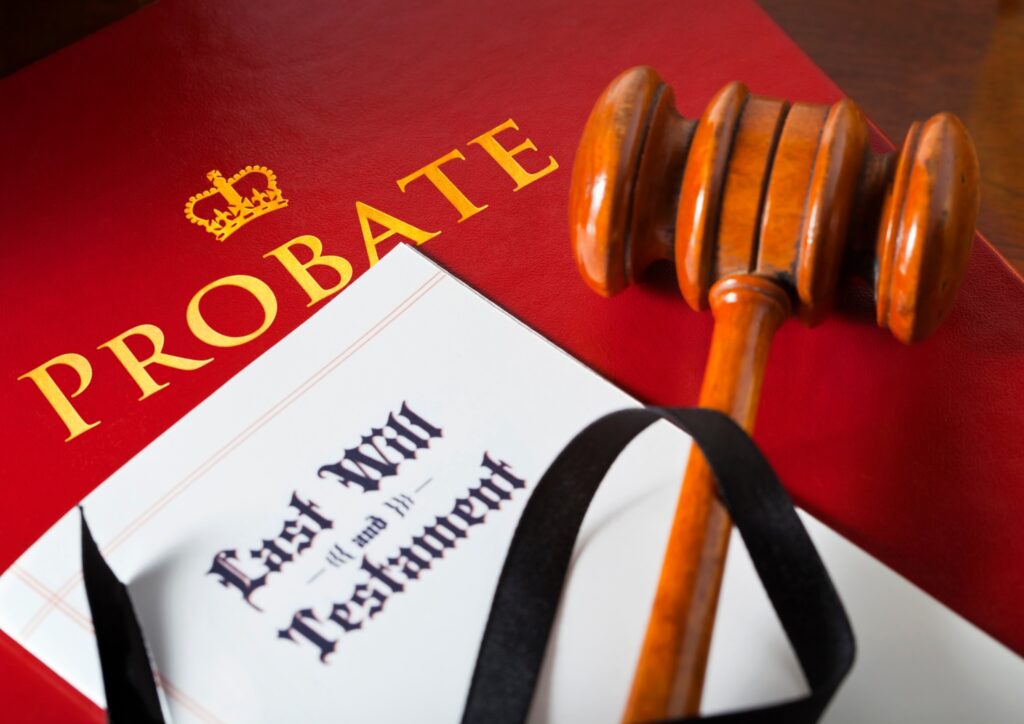
Pros and cons of a will
Pros
- Easy creation process: no extensive paperwork or complicated procedures; a straightforward conversation with an attorney produces a document protecting your family’s interests.
- Guardian designation: if you’re still caring for minor children or grandchildren, a will lets you name the person you trust most to continue their care.
- Executor selection: you choose who manages your estate: someone trusted to handle financial matters, pay outstanding bills and ensure your wishes are followed.
Cons
- Probate requirements: probate expenses can consume up to 10% of an estate, with costs ranging from a few thousand dollars to 3% of the estate’s value depending on location and complexity.
- Contestability: family members or other parties can challenge your will in court, creating delays and depleting the estate through legal fees.
- Public records: once your will goes through probate, it becomes public record: anyone can learn about your assets and beneficiaries.
| Pros | Cons |
|---|---|
| Easy to create | Must go through probate |
| Allows you to name guardians | Can be contested |
| Designates an executor | Becomes public record |
What is a trust?
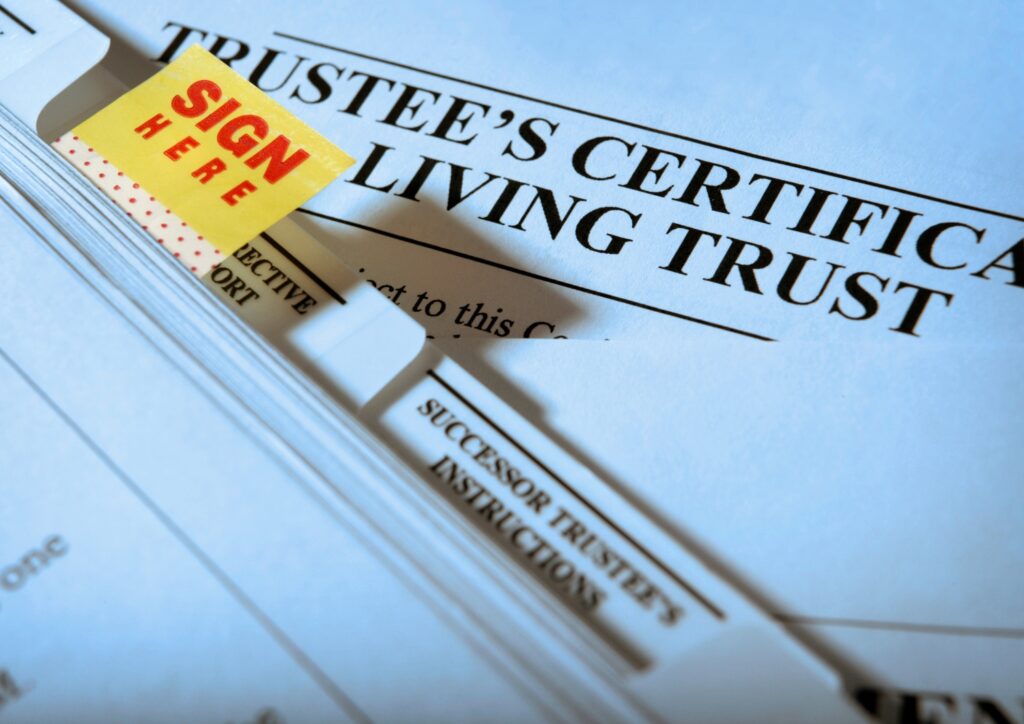
A trust is a legal arrangement where a person (the “trustor” or “grantor”) gives another person (the “trustee”) responsibility to manage their assets (money, property, investments) for the benefit of someone else (the “beneficiary”).
Trusts can be set up in two main ways:
- Living trust (revocable trust): created during your lifetime, letting you maintain control while alive and providing seamless management if you become incapacitated. Assets in a living trust bypass probate entirely.
- Testamentary trust: established through your will, becoming active only after death. It still goes through probate but offers more control over long-term asset distribution than a simple will.
Pros of a trust
- Avoids probate. Probate is slow, expensive and public. Trusts bypass it entirely: assets can be distributed quickly, privately and without extra costs. With a living trust, the trustee can distribute assets immediately according to your wishes, without waiting months or years for probate.
- Privacy. Unlike wills, which become public records through probate, trusts remain private. Nobody outside your beneficiaries and trustee needs to know what’s in the trust or how assets are divided. Privacy is especially valuable for confidential financial affairs or complex family dynamics.
- Control over distribution. Trusts let you set specific conditions for how and when assets are given out: a beneficiary receives funds only at a certain age, for specific needs like education, or in small amounts over time. This prevents irresponsible spending and ensures assets are used in line with your wishes.
Cons of a trust
- More complex and expensive to set up. Setting up a trust involves more upfront work than a will, likely requiring an attorney who specialises in trusts, and careful planning to ensure all assets are included and the terms reflect your wishes.
- Requires funding during your lifetime. For a trust to work it must be “funded”: you need to transfer your assets into it. This can be time-consuming and must be done correctly; if assets aren’t properly transferred, they may still go through probate.
- Regular maintenance needed. Trusts aren’t “set and forget”. They need updating if you acquire new assets, sell property, or have significant life changes (marriage, divorce, a new beneficiary). Keeping the trust current ensures it continues to meet your needs and those of your beneficiaries.

| Pros | Cons |
|---|---|
| Avoids probate | More complex and expensive to set up |
| Provides privacy | Requires funding during your lifetime |
| Offers control over asset distribution | Regular maintenance is needed |
An example
Imagine you’re a grandparent with a significant estate: properties, investments and cash savings. You’re concerned about how your teenage grandchildren will handle these assets, and you want the money used wisely, for college, a home, or starting a business.
With a will: your estate goes through probate. The court validates the will, pays debts, then distributes the remaining assets per your instructions. The process is public (anyone can see who received what) and can take months or years.
With a trust: assets are managed according to your specific wishes. You designate how much each grandchild receives, for what purposes and at what age. Since the trust avoids probate, the trustee distributes funds directly without court approval, and the details remain private, protecting your family’s financial affairs.
Trusts offer flexibility, privacy and control, but also additional costs and management. Understanding the trade-offs helps you decide whether a trust is right for you.
Key differences seniors should consider
- Probate. Wills undergo probate, which can be expensive and lengthy. Trusts enable smooth transfer of assets to beneficiaries without court involvement, making distribution quicker and more efficient. A great choice for seniors seeking to bypass probate complications.
- Privacy. A will becomes public record through probate: anyone can access the details of your estate and beneficiaries. Trusts are private documents; terms aren’t disclosed publicly. For seniors who prefer discretion, a trust provides peace of mind.
- Costs. Wills are generally less expensive to draft (simple wills cost a few hundred dollars), but probate costs (court fees, attorney expenses) add up significantly. Trusts cost more to establish but often save money long-term by avoiding probate, though they need maintenance.
- Control over timing and conditions. A will takes effect only after death, meaning you keep complete control of your assets while alive, useful if you anticipate needing resources for healthcare. Trusts provide more control over how and when assets are distributed: delaying inheritance until a certain age, or restricting funds to educational purposes. That level of control makes trusts attractive for managing a legacy carefully.
- Protection against disputes. Wills are more susceptible to legal challenges than trusts. Disgruntled family members can contest a will, delaying distribution and depleting the estate through legal fees. Trusts, due to their structure and legal standing, are harder to contest: a safer option if you’re worried about disputes among heirs.
- Planning for incapacity. A living trust is vital for incapacity planning: if you become unable to manage your affairs, the trustee steps in and handles trust assets per your instructions, without court intervention. A durable power of attorney appoints someone to manage finances but doesn’t offer the same continuity. For comprehensive incapacity planning, a living trust is usually more effective.
- Estate taxes. Both wills and trusts can help reduce estate taxes, but trusts offer more advanced planning opportunities. Certain trusts, like irrevocable trusts, can remove assets from your taxable estate, potentially saving significant amounts. Consult an estate planning attorney or financial adviser to optimise your estate.

Factors to consider when choosing
Size of the estate. Larger estates with significant real estate or investments benefit from trusts, which avoid the expensive, lengthy probate that sizable estates face. Smaller estates might not justify the cost of setting up a trust, making a will more cost-effective.
Complexity of assets. Multiple properties, a business or complex investments make estate planning more challenging, and trusts provide a structured way to manage them with clear instructions. For example, if you own rental properties, a trust can specify that income continues supporting a family member, whereas a will simply distributes the properties outright, which might not match your long-term wishes.
Family dynamics. Blended families or strained relationships make asset distribution trickier. Trusts offer more control over how and when assets are distributed, reducing potential disputes. Setting conditions (funds only for education, for instance) is difficult with a will, and a trust’s clear terms act as a buffer against conflicts.

Cost considerations. A will is cheaper upfront, but probate costs can significantly reduce the estate’s value. Trusts have higher initial setup costs but can save money long-term by avoiding probate, and may offer tax advantages that further protect your estate.
Making the right choice for your legacy
Estate planning is essential for seniors to protect their legacy and ensure their wishes are honoured. Both wills and trusts serve that purpose, with distinct advantages for different needs, and understanding the differences helps you make the best decision for your situation.
Consult an estate planning attorney or solicitor to explore your options. Whether you choose a will, a trust, or a combination of both, taking proactive steps now provides peace of mind for you and your loved ones.
Content on MySeniors.World is for informational purposes only and isn’t financial or legal advice. Always consult a qualified professional before making decisions about your estate. Posts may contain affiliate links, meaning we earn a commission at no additional cost to you if you click through and make a purchase.