Best Walking Shoes for Seniors: Comfort & Safety Guide

Last Updated on September 15, 2026
Finding the best walking shoes for seniors can make the difference between enjoying daily walks and dealing with foot pain or balance problems. As we age, our feet change in ways that demand more from our footwear: extra cushioning, better arch support, easier closures.
The right pair does more than feel comfortable. It helps prevent falls, reduces joint stress, and keeps you active and independent. Let’s look at what makes a walking shoe truly senior-friendly, and which options stand out.
Why the right walking shoes matter
Your feet have carried you through decades of life, and they deserve some extra consideration now. Ageing brings natural changes like thinner skin, reduced fat padding on the soles, and sometimes conditions like arthritis or diabetes that make proper footwear essential rather than optional.
Walking in the wrong shoes starts a cascade of problems. Poor arch support throws off your alignment, potentially causing knee, hip or back pain. Shoes without grip increase fall risk, which is serious: falls are the leading cause of injury among older adults. On the flip side, shoes designed with senior needs in mind can improve balance, reduce fatigue and encourage you to stay active.

Many seniors also deal with foot conditions like bunions, hammertoes or swelling that make standard shoes uncomfortable. The best walking shoes accommodate these issues while providing the stability and cushioning needed for safe, enjoyable walks. Think of quality walking shoes as an investment in your mobility and independence.
Key features to look for
Not all walking shoes are equal, especially for senior-specific needs. Knowing which features matter helps you cut through the marketing hype and find shoes that will actually serve you well.
Safety and comfort essentials
- Slip-resistant rubber outsoles with deep treads that grip wet pavement, smooth floors and everything between.
- Lightweight construction that won’t tire your legs on longer walks, typically under 350 grams per shoe.
- Cushioned midsoles with EVA foam or gel inserts that absorb impact and reduce joint stress.
- Removable insoles so you can use custom orthotics or replace worn padding.
- Wide toe box that lets toes spread naturally without pinching.
- Supportive heel counter that cups the heel securely to prevent sliding and improve stability.
Closures that work for you
Bending down to tie laces gets harder as flexibility decreases, and arthritic fingers struggle with small eyelets. Look for hook-and-loop straps, elastic laces or zipper closures that make shoes easy to get on and off. Some newer models are even hands-free: you slip your foot straight in without bending at all.
Adjustability matters more than you’d think, too. Feet swell through the day, so a shoe that felt perfect in the morning can feel tight by afternoon. A closure that lets you fine-tune the fit solves that.
Top walking shoe picks
Individual needs vary, but certain shoes consistently earn high marks from seniors and podiatrists alike. These balance comfort, safety and durability without breaking the bank.
For everyday walking
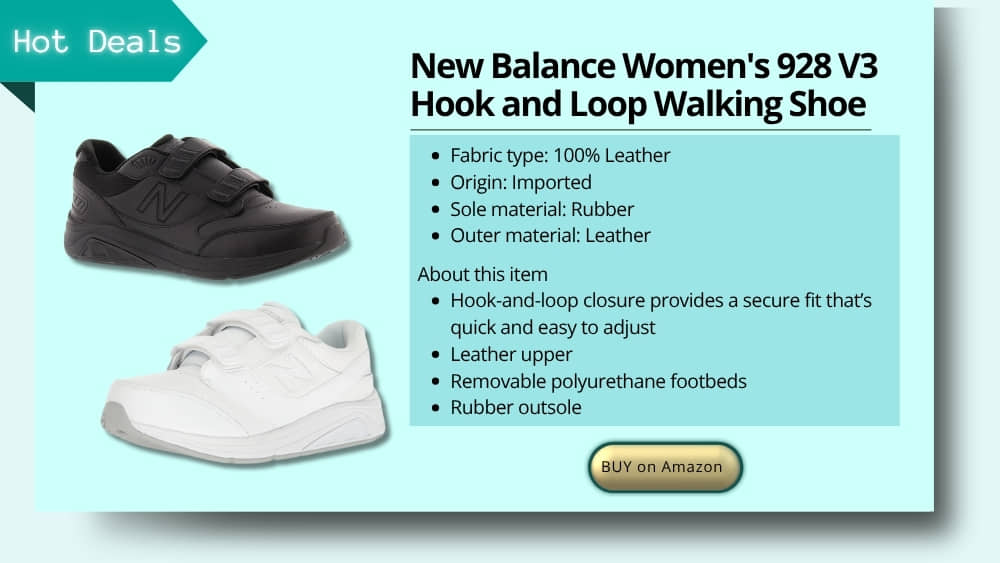
The New Balance 928 series is a gold standard for senior walkers. It offers exceptional stability with a rollbar system that controls rear-foot movement, and it comes in multiple widths for different foot shapes. The leather upper moulds to your foot over time, and the ABZORB cushioning protects against impact for hundreds of kilometres.
The Brooks Addiction Walker is another excellent choice, particularly if you overpronate (feet rolling inward when walking). Its extended Progressive Diagonal Rollbar guides your body into its natural motion path, reducing stress on knees and hips. The full-grain leather is durable and easy to clean.
For sensitive feet
If you have diabetes, neuropathy or particularly sensitive feet, consider Orthofeet’s therapeutic walking shoes. They’re designed with extra depth, seamless interiors that prevent irritation, and soft padded linings, and they accommodate custom orthotics beautifully.
Propet’s TravelActiv line deserves mention for anyone dealing with swelling or oedema. The stretchy mesh uppers expand with fluctuating foot size through the day while still providing structure and support.
For active walkers
If you regularly walk several kilometres or tackle varied terrain, you need shoes that can keep up. The ASICS Gel-Contend series delivers responsive cushioning that energises your step rather than just absorbing impact. Gel technology in the heel reduces shock, and the durable outsole grips trails and footpaths alike.

The Skechers Go Walk line offers impressive value for active seniors: lightweight, with a highly flexible sole that moves naturally with your foot, plus an air-cooled insole that provides bounce-back cushioning that doesn’t flatten quickly.
How to find your perfect fit
Even the highest-rated shoe won’t help if it doesn’t fit properly. Getting fit right involves more than knowing your size, because feet change over time and vary between brands.
Always measure both feet while standing, since feet spread and lengthen under body weight. Many people have one foot slightly larger, so fit the shoe to the larger foot. You want about a thumb’s width between your longest toe and the end of the shoe, so toes don’t jam forward on downhill stretches.
Try shoes on later in the day, when feet are slightly swollen from normal activity, so they’ll be comfortable after you’ve been up and moving. Wear the same type of socks you’ll actually use with them; it affects the fit more than you’d expect.
Walk around the store for at least 10 minutes. Check for rubbing, pinching or pressure points. Your heel should stay firmly in place without sliding. If the store has different surfaces, test on smooth floors, carpet and inclines.
And don’t fall for the break-in myth. Quality walking shoes should feel comfortable immediately. If they hurt in the store, they’ll cause blisters on the street.
Caring for your walking shoes
Basic maintenance extends shoe life and keeps performance up. Replace walking shoes every 500-800 kilometres, or every six months if you walk regularly, whichever comes first.
Clean them regularly: remove insoles and laces, wipe the uppers with a damp cloth and mild soap, and air dry away from direct heat, which damages materials and breaks down cushioning. Stuffing with newspaper helps them hold shape while drying.
Rotate between two pairs if possible. This gives the cushioning time to decompress between wears, extending its life and shock absorption, and it guarantees a dry pair if one gets soaked.
Check the tread regularly. If the pattern is wearing away or you see uneven wear (outer heel wearing faster, say), replace them. Worn treads compromise grip and increase fall risk, which makes replacement a safety issue, not just a comfort one.
Store them in a cool, dry place away from direct sunlight. Extreme temperatures and UV exposure break down materials faster, reducing support even when the shoes look fine outside.
The bottom line
Finding the best walking shoes for seniors means putting safety, comfort and proper fit ahead of fashion or price alone. Your feet support your independence and quality of life, so investing in shoes that genuinely meet your needs is one of the smartest health decisions you can make. Take the time to find the right pair, and you’ll enjoy many comfortable, confident kilometres ahead.