How to Pick the Perfect Shoe for Senior Back Support?

Last Updated on September 20, 2026
Back pain has a way of following you around, and one of its least suspected accomplices is sitting in your wardrobe. The shoes you wear every day either support your spine or quietly work against it. For older adults, footwear isn’t a fashion decision so much as a structural one.
This guide covers what actually matters in a back-friendly shoe: arch support, cushioning, heel height and fit. There’s also a step-by-step method for working out your foot type, and a practical shopping process that takes the guesswork out of the fitting room.
The four features that matter
- Arch support: keeps the foot aligned and spreads your weight evenly.
- Cushioning: absorbs shock so less impact travels up to your spine.
- Heel height: a modest heel (about one inch) promotes better posture than either flats or high heels.
- Proper fit: prevents instability and the extra back strain that comes with it.
Prefer to listen rather than read?
Why feet and backs are connected
Your feet are the foundation everything else is built on. When they’re supported, the alignment runs cleanly from the ground up through ankles, knees, hips and spine. When they’re not, the body compensates, and the compensation usually shows up in the lower back.
Age makes this matter more, not less. Spines accumulate wear over the decades (spinal stenosis, osteoarthritis and degenerative disc disease become more common), bone density and muscle mass decline, and balance needs all the help it can get. The research on footwear for older adults is clear that shoe design measurably affects balance and stability.

Arch support
Good arch support keeps your feet from rolling inward (overpronation) or outward (supination). Both of those motions change how forces travel up your legs and into your back. With proper support, weight distributes evenly and the spine isn’t asked to compensate for wobbly foundations.
Cushioning
Every step sends a shockwave up through your heels, knees and spine. Effective cushioning gives your heels and forefeet a soft landing and takes the edge off that impact before it reaches your lower back.
Heel height
Counterintuitively, completely flat shoes aren’t ideal. A modest heel of about an inch helps maintain the spine’s natural alignment, while high heels (and to a lesser degree, full flats) push your posture out of balance and shift strain onto the lower back.
Fit and comfort
Too tight creates pressure points and restricts blood flow; too loose makes you unstable and forces your back muscles to compensate. Feet change size with age, so the size you wore at fifty may not be the size you wear now.
A step-by-step method for choosing shoes
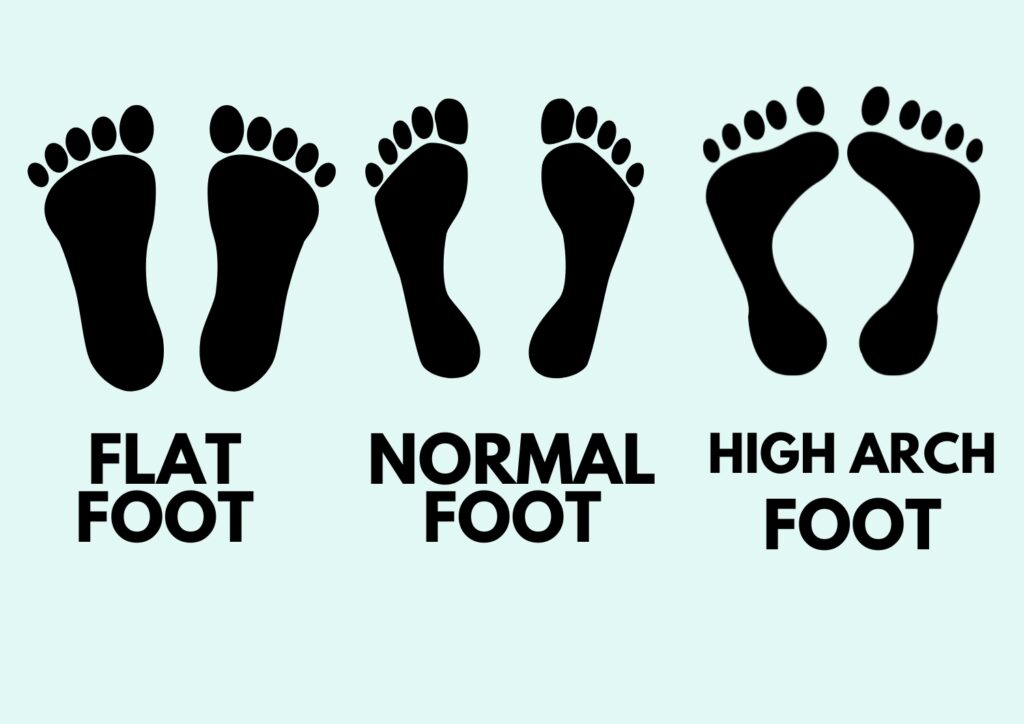
Step 1: determine your foot type
The wet test is the easiest starting point. Dampen the sole of your foot, step onto a piece of paper and look at the imprint:
- A full imprint means flat feet, which usually need more structured arch support.
- A partial imprint with a visible curve means a normal arch.
- A thin strip connecting heel and ball means high arches, which generally need more cushioning.
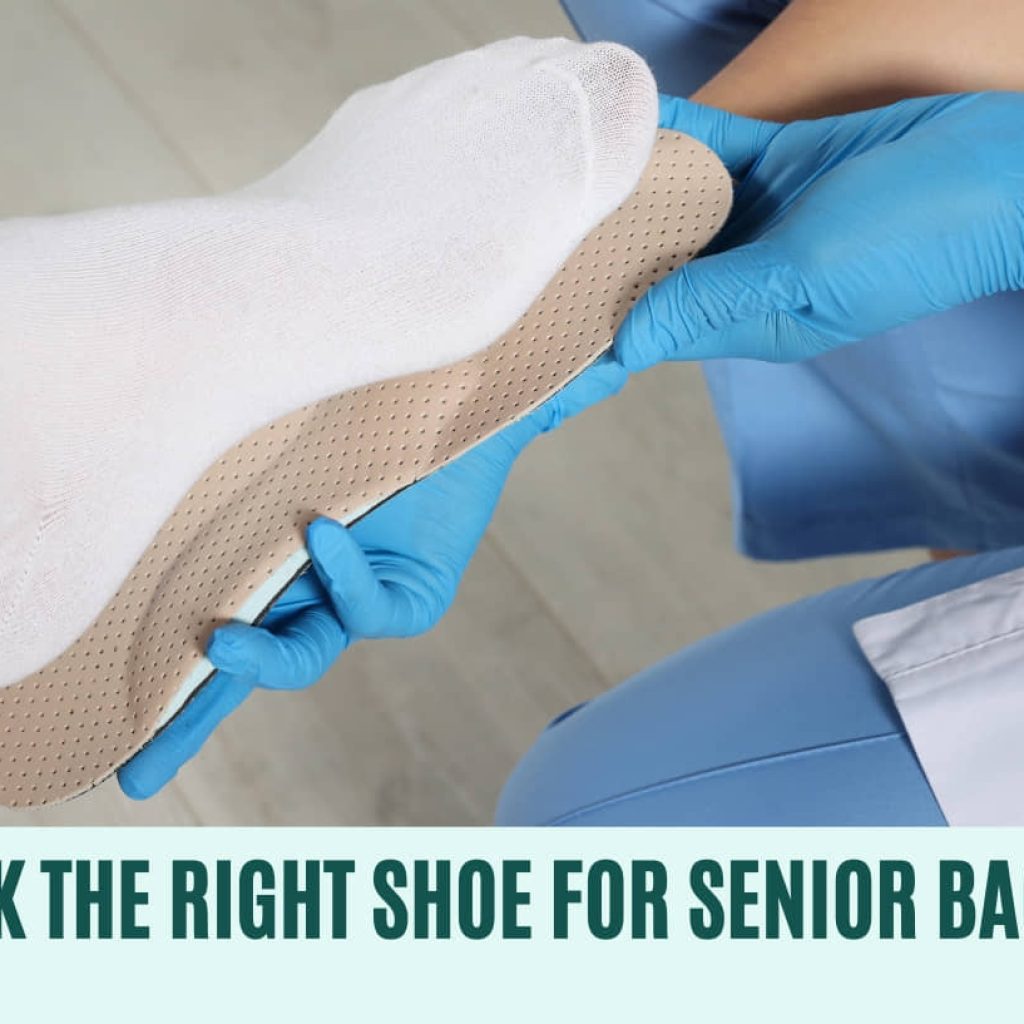
For a thorough assessment, see a podiatrist. They can analyse your foot structure and gait, and recommend specific shoe types or orthotics. Medicare rebates may apply with a GP referral under a chronic condition management plan.
Step 2: visit a specialty store
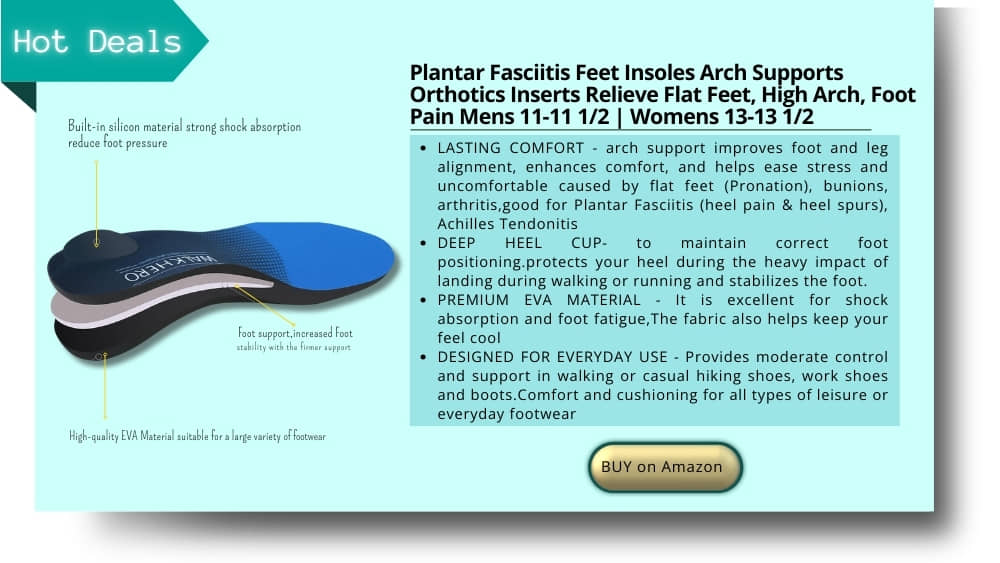
Go to a store that focuses on comfort and supportive footwear rather than a general shoe shop. Have your feet measured professionally: feet lengthen and widen with age, and today’s measurement is more reliable than your memory. The staff can also point you toward brands with proven support features.
Step 3: try on several pairs, properly
- Do the walk test. Walk around the store in each pair and pay attention to how your back feels, not just your feet.
- Test flexibility and support. Bend the shoe: it should flex at the ball, not collapse in the middle.
- Check heel stability. A firm heel counter (the back of the shoe) maintains alignment and reduces injury risk.
- Shop late in the day when feet are naturally at their largest, and wear the socks you’d normally use.
Step 4: check orthotic compatibility
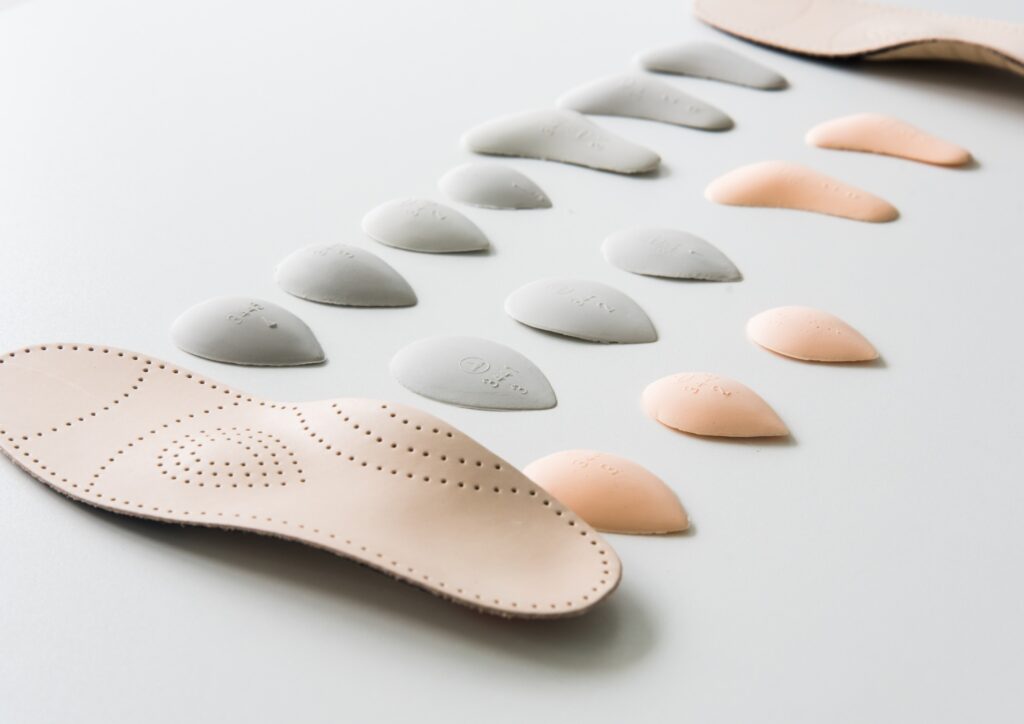
If you use orthotic inserts, bring them shopping. Look for shoes with removable insoles so your orthotics sit flat, and try the shoes on with the inserts in place. The fit should be comfortable with them in, neither tight nor sloppy.
Step 5: consider the extras
- Adjustable straps or laces let you fine-tune the fit.
- Lightweight materials reduce walking effort and back strain; mesh and light foam are good choices.
- Breathability keeps feet cool and dry, preventing the discomfort that changes how you walk.
Finally: revisit the fit regularly, because feet keep changing, and listen to your body. Persistent discomfort is a signal, not an inconvenience.
Beyond shoes: keeping your back healthy
Footwear is one piece of a bigger picture. These habits protect your back every day:
Exercise
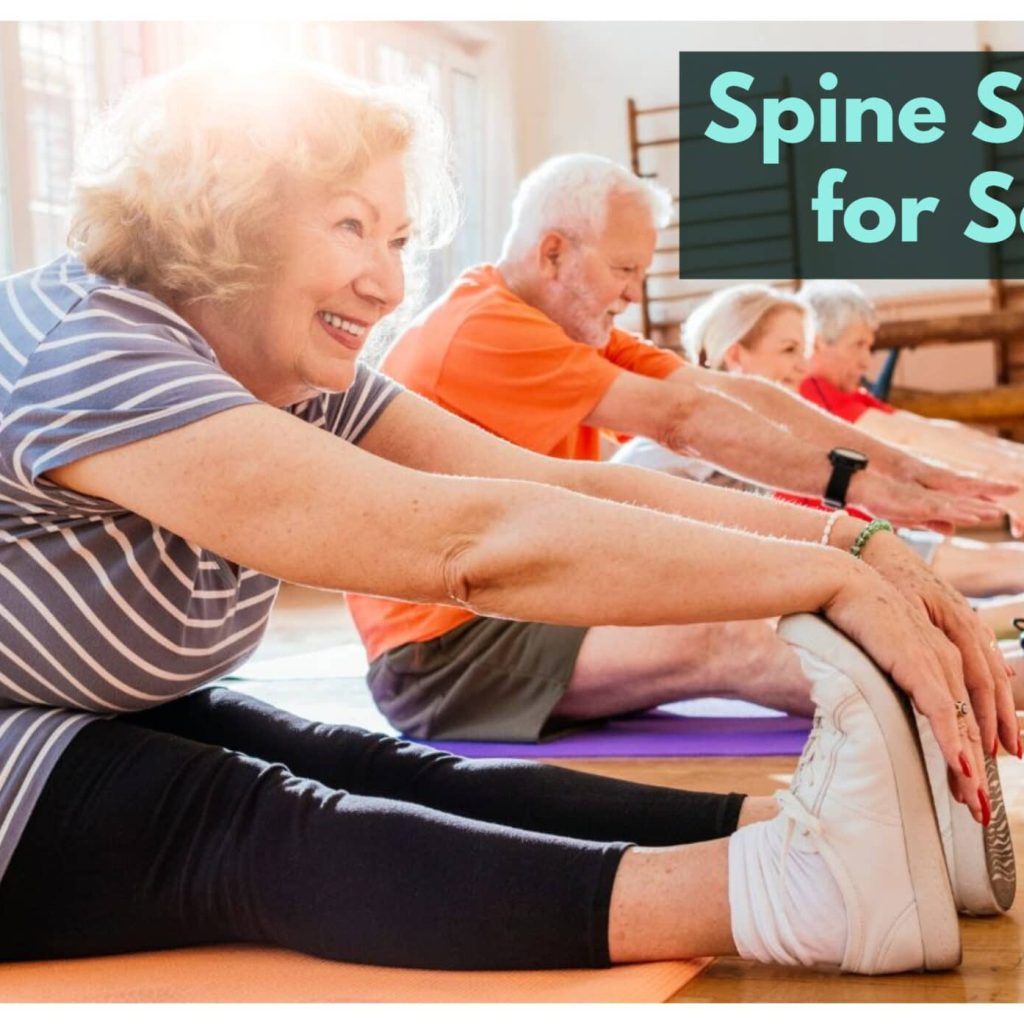
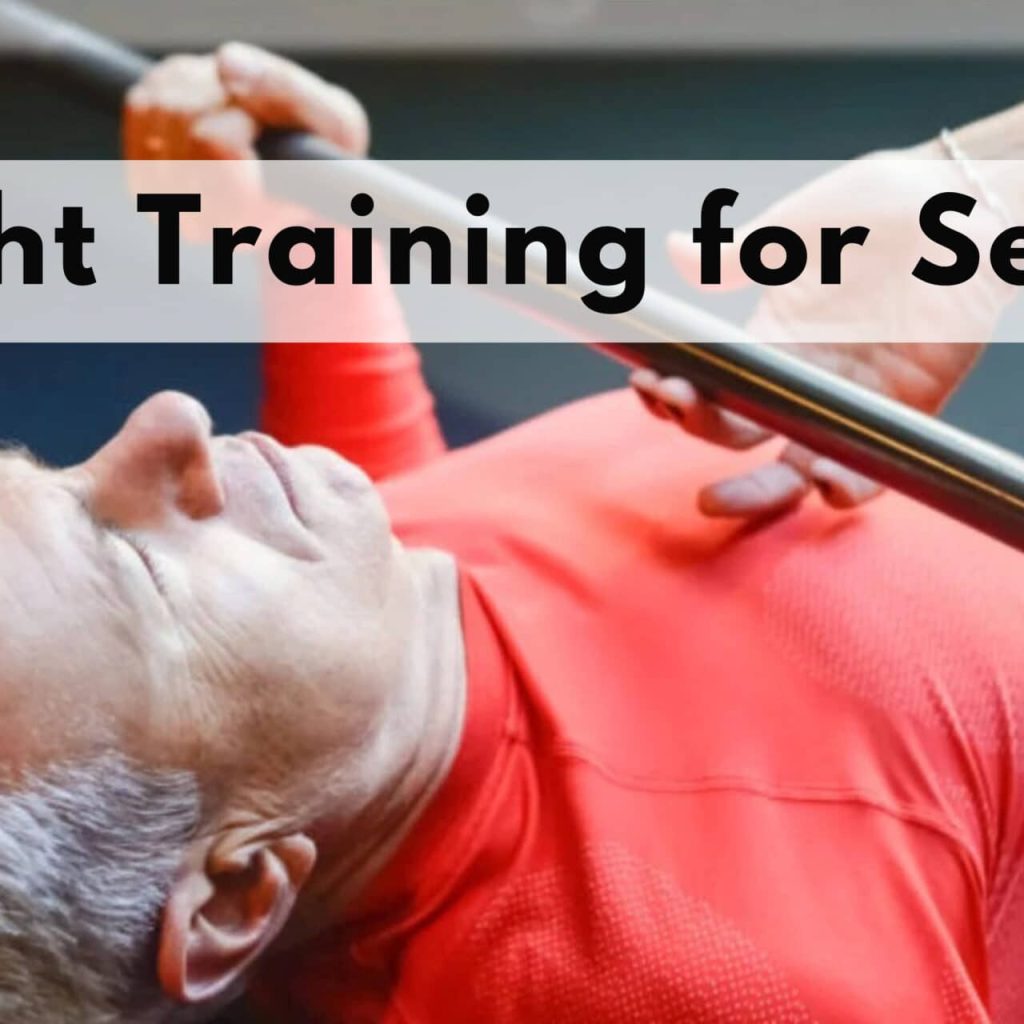
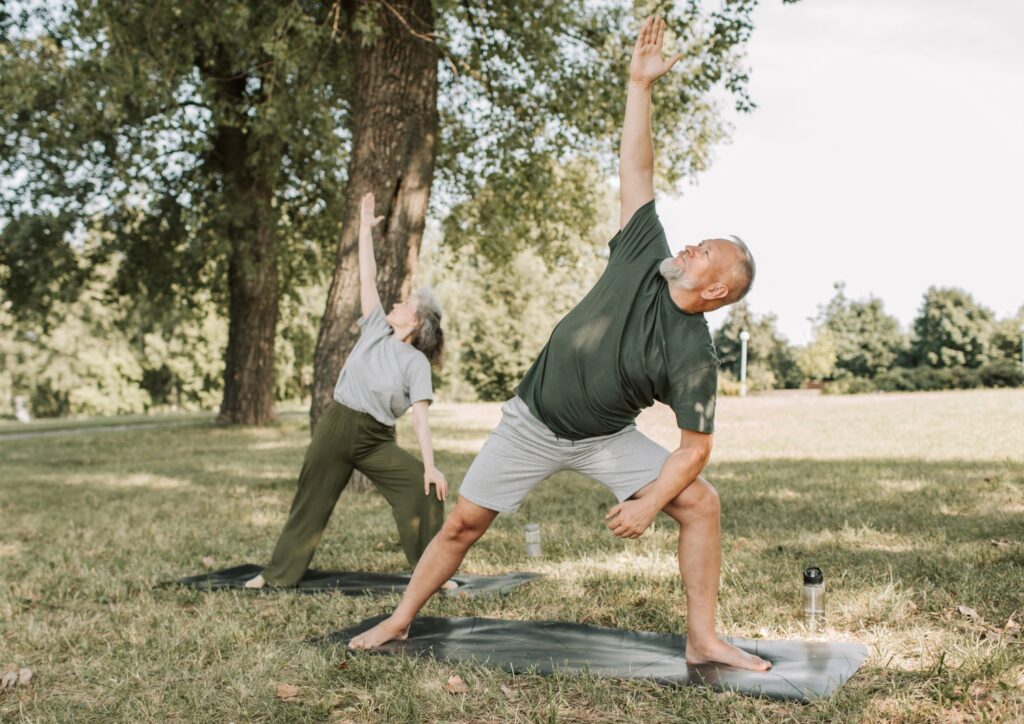
Strong core muscles support the spine and take pressure off the back. Low-impact options like walking, swimming and cycling build strength gently. Yoga and Pilates develop core strength, flexibility and balance (poses like Cat-Cow and Child’s Pose are particularly kind to stiff backs). Light strength training with planks, bridges and leg rounds rounds out the routine.
Posture
Sit with feet flat, knees at roughly right angles and lower back supported (a lumbar cushion helps). Stand with weight even on both feet, shoulders back, head aligned with the spine. And avoid slouching in any position: it loads muscles and ligaments unevenly.
Stretching
A few minutes of daily stretching for the lower back, hamstrings and hip flexors keeps muscles supple. Hold each stretch 20-30 seconds, repeat two or three times, and never stretch into pain.
Weight and general health
Extra weight is extra load on the spine. A balanced diet plus regular activity (around 150 minutes of moderate exercise a week, plus two strength sessions) keeps that load manageable. Your GP can help with a plan suited to you.
Ergonomics at home
Supportive chairs with good lumbar support, screens at eye level, and frequent breaks from sitting all reduce daily strain. Aim to stand and move every 30 minutes or so: prolonged sitting stiffens everything.
The bottom line
The right shoe supports your feet, and your feet support everything above them. Understand your foot type, take your time trying options, and combine good footwear with exercise, posture and sensible ergonomics. Your back will thank you for it daily.
This article provides general information and isn’t medical advice. Consult a podiatrist, physiotherapist or GP for advice specific to your situation. Posts may contain affiliate links, meaning we earn a commission at no additional cost to you if you click through and make a purchase.
Frequently asked questions
How does arch support relieve back pain?
It keeps feet naturally aligned and distributes weight evenly, reducing the stress that travels up to the spine.
Are particular brands better for seniors with back pain?
Brands such as HOKA, Brooks and Orthofeet are widely recommended for supportive designs that suit older feet.
Can bad shoes really cause chronic back problems?
Yes. Footwear that lacks support changes body alignment and increases spinal stress, which can develop into chronic pain over time.
Does heel height matter?
A modest heel of about an inch promotes better posture than either flats or high heels.
How do I work out my foot type?
The wet test gives a quick answer at home; a podiatrist gives a proper one.
References
- PubMed (2019). Shoe design for older adults: elements of optimal footwear.
- PubMed Central (2023). Effects of supportive and minimalist footwear on standing balance and walking stability in older women.
- Verywell Fit. The 8 Best Walking Shoes for Seniors, Tested.
- Healthline. 9 Best Shoes for Knee and Back Pain.