Boost Self-Esteem in Retirement: 5 Essential Strategies


Last Updated on September 19, 2026
Retirement changes how you see yourself. For decades your job answered the question “what do you do?” and now it doesn’t. That gap is real, and it catches many capable people off guard: the calendar is free but the sense of worth has taken a hit.
Here’s the encouraging part. Research shows that while some people feel an early dip, self-esteem often recovers and improves over time, especially when retirement is filled with activity, connection and purpose. Those five things aren’t accidents of luck. They’re strategies you can work on deliberately.
Five strategies that make the difference
This article walks through each one: staying physically active, eating well, keeping your mind sharp, building social connections and finding renewed purpose. None of them requires wealth or extraordinary willpower. They’re ordinary habits, applied consistently, and they compound.
Prefer to listen than read?
1. Stay active and healthy
Physical activity is the fastest lever you have. Exercise releases endorphins (your body’s own mood-lifters), improves sleep, steadies the mind and gives you daily evidence that your body still works. That last part matters more for self-esteem than people expect: feeling capable is a large slice of feeling worthy.
Mix the three types for best results:
- Cardio (walking, swimming, cycling, dancing) for heart and lung health and endurance.
- Strength training with weights or resistance bands to preserve muscle, which protects mobility and independence.
- Balance and flexibility (yoga, Pilates, tai chi) to stay steady on your feet and lower the risk of falls.
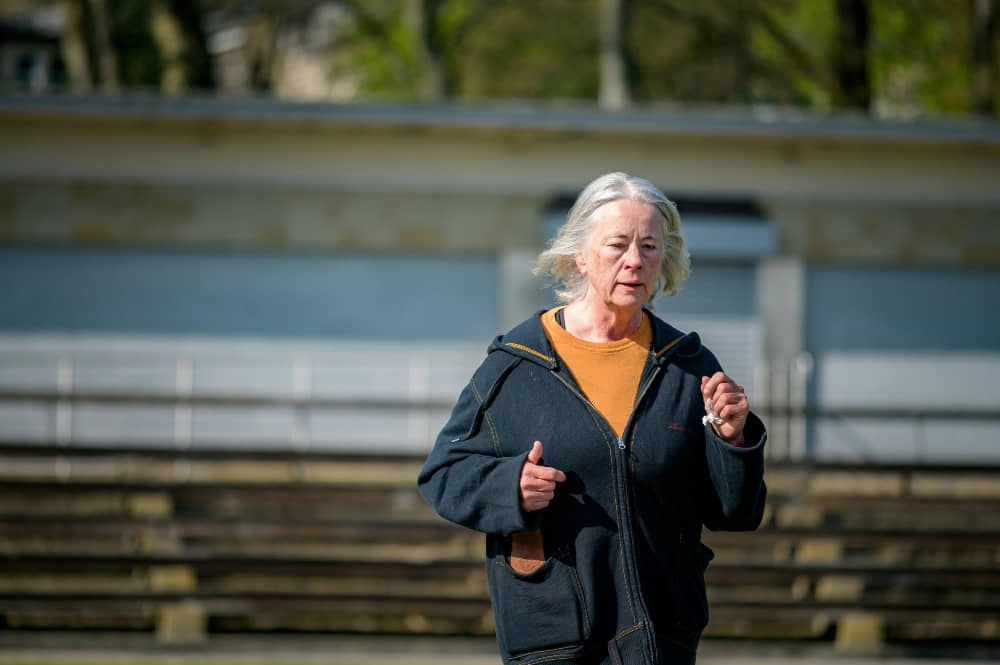
Tips for staying active:
- Set realistic goals. Start small and build gradually.
- Pick things you actually enjoy, or you won’t keep doing them.
- Join a group or class: the social side keeps you turning up.
Have you considered trying something new this month? Tai chi or water aerobics are easy on the joints and surprisingly effective for building strength.
Food is the other half. A varied, nutrient-dense diet keeps energy steady and bodies working well: plenty of vegetables and fruit, whole grains such as oats and brown rice for fibre and steady energy, lean proteins (fish, chicken, beans, lentils) for muscle repair, and healthy fats from nuts, seeds, avocado and olive oil for brain health. Practical habits that help: watch portion sizes, drink water through the day, and go easy on processed foods high in sugar, salt and unhealthy fats.
Don’t neglect the mental side. Mindfulness and meditation reduce stress, sharpen focus and improve emotional control. Start with five or ten quiet minutes a day; guided sessions through an app or online video make it easier to begin.
And keep up your medical checkups. Screenings for blood pressure, cholesterol, diabetes and cancers catch problems early, while vision and hearing checks catch the changes you’d otherwise shrug off. Schedule appointments in advance, keep a simple health journal, and be honest with your doctor about anything concerning. Early detection protects your health, and knowing where you stand protects your peace of mind.

2. Find purpose and meaning
Losing work identity is the most common wound of retirement, and purpose is the cure. Volunteering is a proven route: offering time to local charities, leading or joining activities at community centres, or mentoring younger people in your old field. Helping others keeps you active, builds new relationships and replaces the usefulness a job used to supply.
Hobbies count too, especially ones with visible progress. Painting, gardening, music, cooking, woodworking: creative and practical pursuits fill days with something you chose. Learning new skills, including digital ones, adds accomplishment on top. Online platforms such as Skillshare make it easy to try many things without committing to a semester.
Ideas to consider:
- Creative arts: painting, writing, craft, music.
- Outdoors: gardening, hiking, birdwatching, fishing.
- Learning: photography, cooking classes, a new language.
Lifelong learning deserves its own mention. Online platforms (Coursera, Udemy, Khan Academy), senior discounts at local institutions, and community workshops all keep the mind growing, and growing minds feel capable, which is the engine of self-esteem.
3. Build and maintain social connections
Strong relationships are the most consistent predictor of wellbeing in later life. They provide support, companionship, validation and belonging: exactly the things retirement can strip away if you let them.
- Strengthen existing relationships. Regular visits, calls and video chats with family and friends.
- Make new friends. Join clubs or groups where you’ll meet like-minded people.
- Do things together. Community events, group fitness, hobby groups: shared activity turns acquaintances into friends.
How connected do you feel to your community? If the honest answer is “not very”, that’s the strategy to work on first.
4. Get your finances in order
Money stress erodes self-esteem quietly but relentlessly. The basics help enormously: know all your income sources (pension, super, investments, part-time work), track what you actually spend each month, and build a realistic budget that includes both essentials and enjoyment.
If your situation is complex or keeps you awake at night, a session with a licensed financial adviser can pay for itself: personalised planning, investment review and tax strategy reduce anxiety by turning vague worry into a concrete plan. Confidence about money is confidence about the future.
5. Embrace change and stay adaptable
Retirement is a long series of adjustments, and the people who thrive treat change as material to work with rather than a series of losses. A positive mindset isn’t naïve optimism; it’s the deliberate practice of noticing what’s good and what’s possible.
- Practise gratitude. Note a few good things each day. It sounds soft; it works.
- Focus on opportunities. Retirement is time you’ll never get back: what will you do with it?
- Steer clear of negativity. Both in your own thinking and in the company you keep.
Set goals that are specific and achievable, then celebrate them when they’re reached, however small. Ready to test your inner flamingo? Standing on one foot for 30 seconds improves physical stability and mental focus alike. What small goal could you set this week?

Stay open to new experiences as well: travel near and far, try activities outside your comfort zone, and join groups where everyone’s learning something new. Novelty keeps the brain engaged and the story of your life interesting, and it reminds you that you’re still growing.
Understanding self-esteem in retirement
Self-esteem is how you value yourself: your abilities, your worth, your place in the world. Retirement can shake it because work supplied structure, identity and daily proof of competence. Losing that structure is normal, and it’s not a personal failing.
The research is reassuring on two points. First, the early dip is common and usually temporary. Second, people who retire from dissatisfying jobs and find new sources of meaning often end up with better self-esteem than they had while working. The factors that shape it are within reach of every retiree: physical health, financial security, relationships, purpose and adaptability.

The takeaway
Retirement offers something working life rarely does: the chance to rebuild your sense of worth around what you choose, rather than what you’re paid to do. Stay active, eat well, keep learning, stay connected and find purpose. None of it happens automatically; all of it happens with intention. The investment in yourself is worth more than any of the savings accounts.
What’s helped you most since retiring? If you’re not retired yet, which area worries you most? We’d love to hear in the comments.
Frequently asked questions
Is it normal to feel a drop in self-esteem when first retiring?
Yes, it’s common. Many retirees feel it while adjusting to the loss of a professional identity, and it usually rebounds as new sources of meaning take root.
How does physical activity help self-esteem specifically?
It releases endorphins, improves body image, provides a sense of accomplishment and creates social opportunities. Even 150 minutes of moderate activity a week measurably improves mood and self-perception in older adults.
I’ve been retired two years and still feel purposeless. Is that common?
Yes. Full adjustment often takes two to three years. Volunteering, mentoring, learning and creative pursuits all help; experiment until something resonates.
How important are social connections?
Extremely. Socially connected retirees report substantially higher self-esteem than those who are isolated. Regular meaningful contact provides validation and belonging.
Can financial worries affect self-esteem?
Absolutely. Financial security underwrites independence and peace of mind. If money is a chronic stress, a retirement-focused financial adviser can help you see the real picture.
Does continued learning really matter after retirement?
It keeps the mind sharp and provides growth and accomplishment, which are direct feeds of self-worth.
How can I help a recently retired spouse who’s struggling?
Listen without judgment, encourage new interests, suggest some things you can do together while respecting their independence, and if the struggle deepens, gently suggest a professional who works with life transitions.
References
- American College of Sports Medicine (2024). ACSM Fitness Trends.
- CDC (2024). Older Adult Activity: An Overview.
- Copeland, C. & Greenwald, L. (2024). Results From the 2024 Retirement Confidence Survey. Employee Benefit Research Institute.
- MyPlate.gov (2024). Nutrition Information for Older Adults.
- World Health Organization (2024). Ageing and health.
- Yemiscigil, A., Powdthavee, N., & Whillans, A. V. (2021). The Effects of Retirement on Sense of Purpose in Life. Psychological Science.