Flu Vaccination After 65: What to Know Before the Next Flu Season

Last Updated on September 10, 2026
Jurisdiction: General, with United States vaccine guidance clearly labelled
Influenza changes from season to season, which is why flu vaccines are reviewed and updated regularly. A strain name that dominates the news one month may be far less important by the next season.
The lasting message is simpler. Adults aged 65 and over have a higher risk of serious flu complications, and annual vaccination remains an important layer of protection.
Why age changes the risk
The immune system becomes less responsive with age. Chronic conditions involving the heart, lungs, kidneys or immune system can add to the risk of complications.
Vaccination cannot guarantee that you will avoid influenza. It can still reduce the chance of severe illness, medical visits and hospitalisation.
United States guidance for adults aged 65 and over
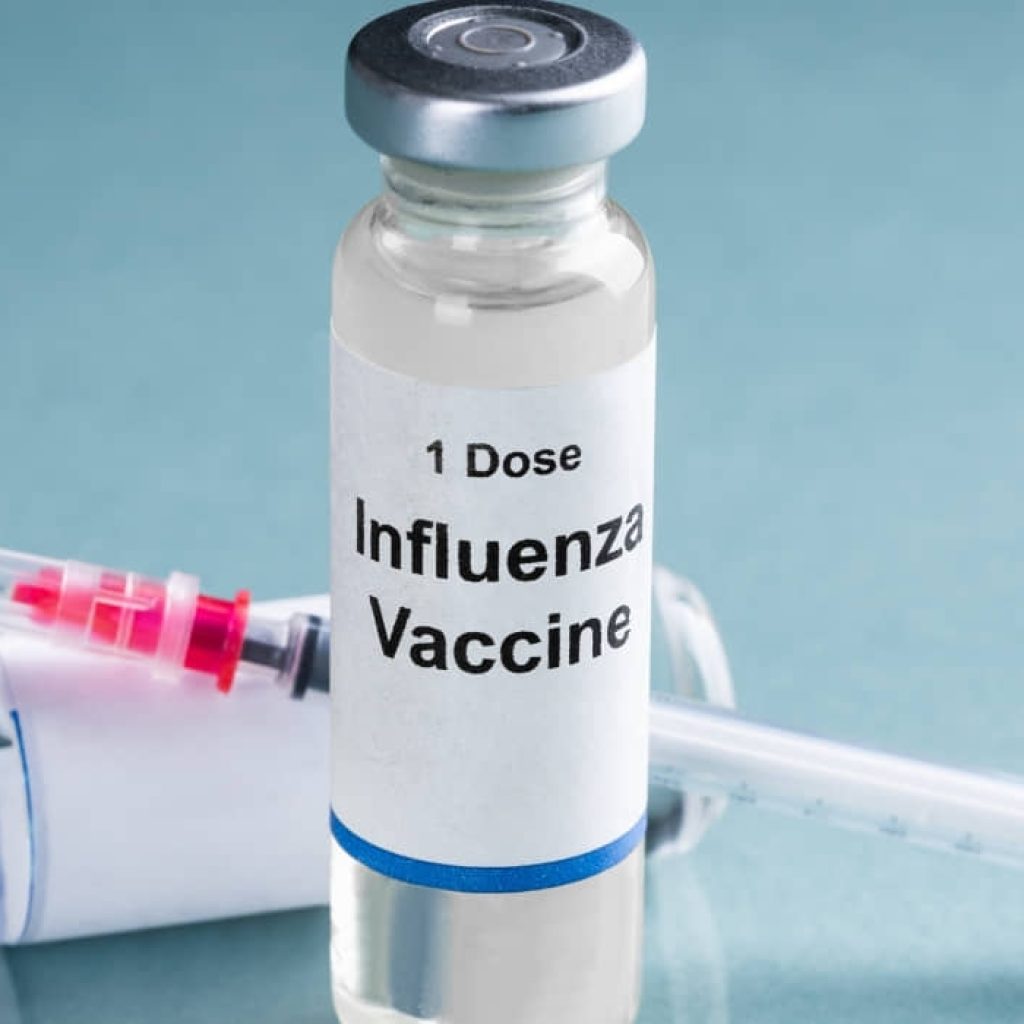
In the United States, the CDC and its Advisory Committee on Immunization Practices preferentially recommend one of three vaccine types for adults aged 65 and over: high-dose inactivated vaccine, recombinant vaccine, or adjuvanted inactivated vaccine.
If none of those options is available when vaccination is due, the CDC advises using another age-appropriate influenza vaccine rather than delaying vaccination unnecessarily.
Guidance differs by country
Vaccine brands, funded programs and timing differ between Australia, the United States, the United Kingdom and other countries. Follow the advice for the country where you live or will spend the flu season.
In Australia, seasonal vaccination advice and funded eligibility are updated through national and state health authorities. The practical question for your doctor or pharmacist is: which vaccine is recommended for my age and health history this season?
When should you be vaccinated?
Timing depends on local flu circulation and public-health guidance. Protection takes time to develop and may decline over the following months, so receiving the vaccine extremely early is not always ideal.
If you are travelling between hemispheres or planning an extended trip, ask whether your timing should change. Flu seasons do not respect holiday bookings.
Who should seek individual advice first?
- Anyone who has had a severe allergic reaction to a previous flu vaccine or one of its ingredients
- Anyone who has had Guillain-Barré syndrome
- People who are acutely unwell on the planned vaccination day
- People receiving cancer treatment, immune-suppressing medicines or other complex care
Your clinician can also advise whether flu vaccination should be given at the same visit as other vaccines.
Vaccination is one layer, not a force field
Stay home when unwell, improve ventilation where practical, wash your hands and avoid close contact with people who are vulnerable when you have respiratory symptoms.
Seek prompt medical advice if symptoms are severe, breathing becomes difficult, confusion develops, dehydration is a concern, or a chronic condition worsens. Antiviral medicines work best when started early for people who need them.
This article provides general health information only. It is not a diagnosis or personal vaccination recommendation. Ask your doctor, pharmacist or local health authority for advice based on your country, age and medical history.