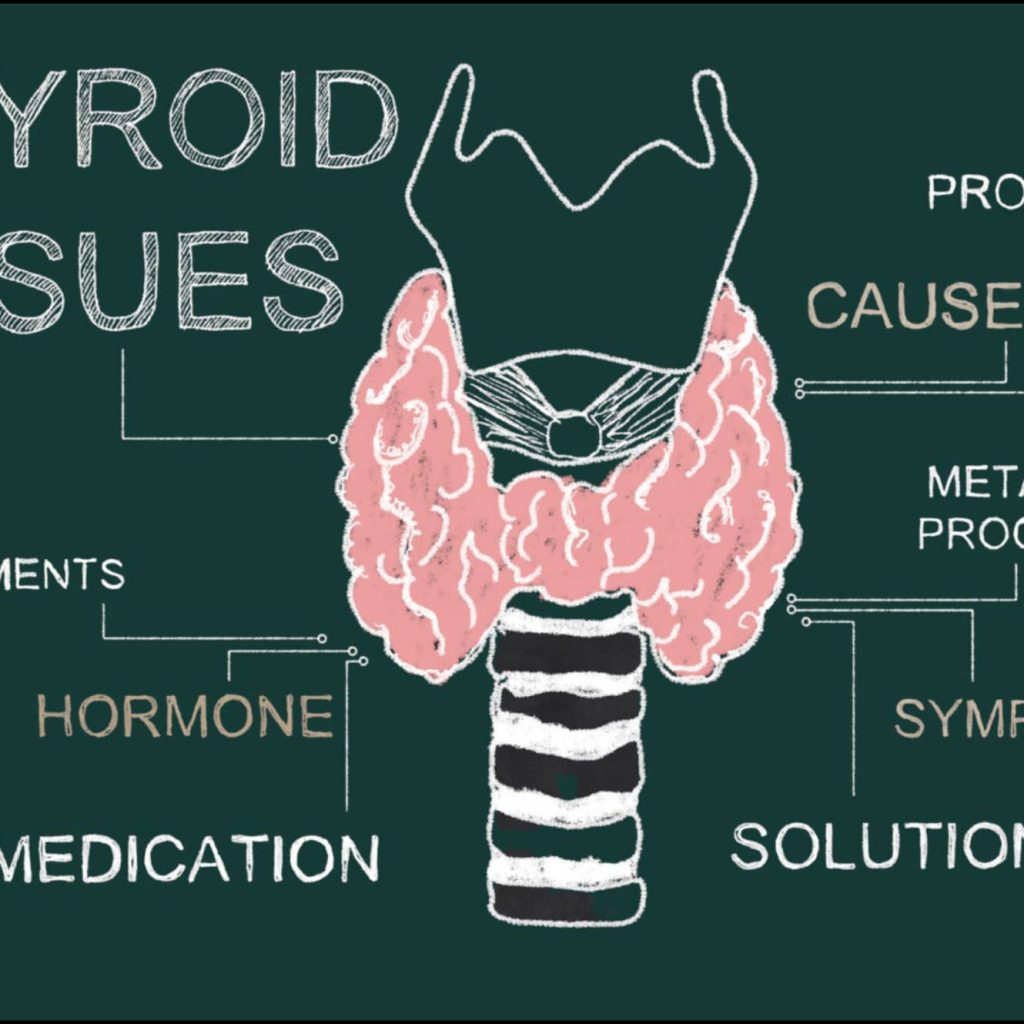
GLP-1 for Seniors: A Game-Changer for Weight, Blood Sugar & Cognitive Health

Last Updated on September 15, 2026
Have you noticed that keeping your weight steady feels harder now than it did in your younger years? Or that keeping blood sugar levels even has become an ongoing concern? You’re not alone; these changes are common as we age. But there are new developments in medical science worth knowing about.
GLP-1 (Glucagon-Like Peptide-1) is one of the most talked-about breakthroughs in modern healthcare, particularly for adults over 50. It’s a hormone your body already produces, and it plays a central role in blood sugar regulation and appetite control. Emerging research even suggests it may support brain health.
In this guide you’ll learn how GLP-1 works in your body, who might benefit from GLP-1 medications, and practical ways to naturally support your body’s own GLP-1 production through food. We’ll also cover the important considerations, including side effects that are especially relevant for older adults.
This article is general information only and isn’t medical advice. Speak with your GP or specialist before making any changes to your treatment.

What’s the buzz about GLP-1?
The health world is buzzing about the hormone GLP-1, and for good reason. If you’re over 50 and looking for new approaches to blood sugar, healthy weight or protecting your cognitive health, this breakthrough deserves your attention.
What exactly is GLP-1?
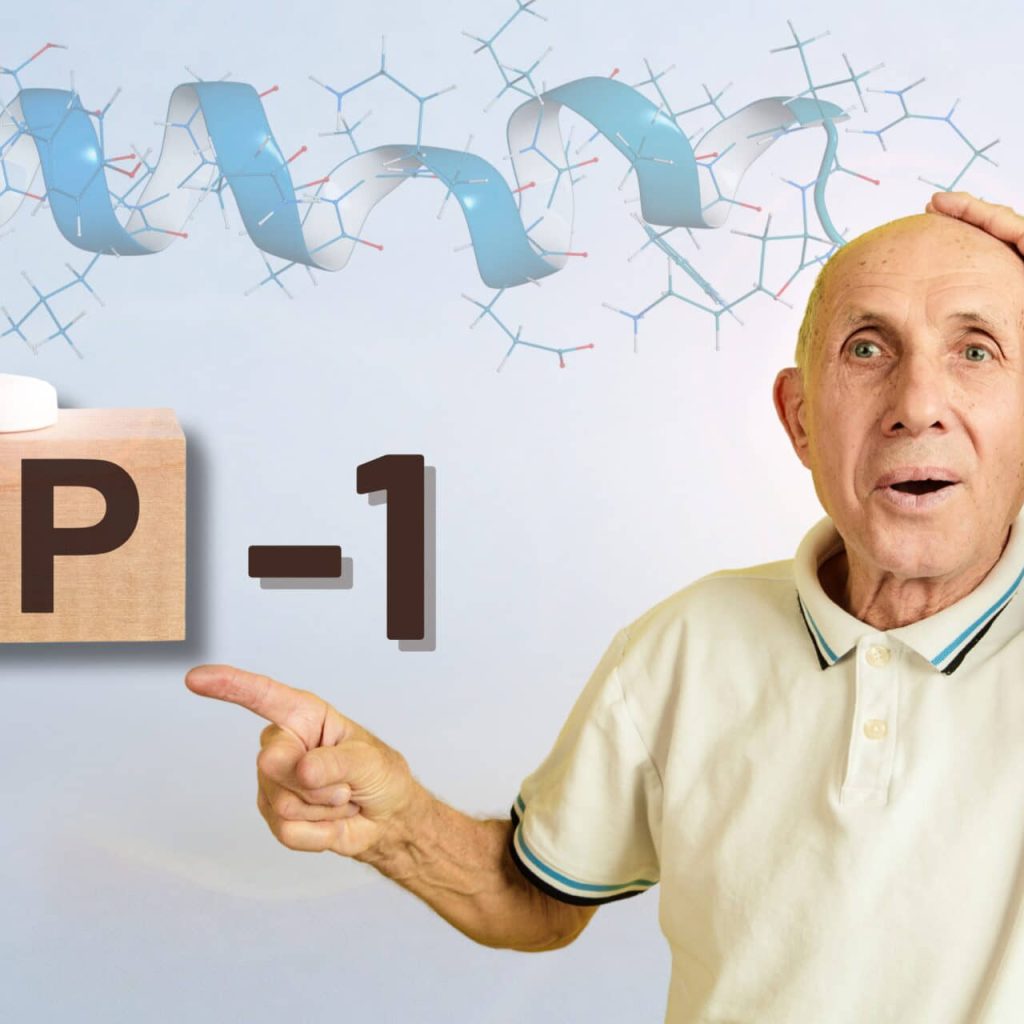
GLP-1 stands for Glucagon-Like Peptide-1, a peptide hormone your body naturally produces. Think of it as your body’s traffic controller: it manages the flow of sugar into your bloodstream while also influencing how hungry you feel.
When you eat, cells in your small intestine release GLP-1, which gets to work on three tasks. First, it signals your pancreas to release insulin when blood sugar rises, helping your cells absorb that sugar. Second, it slows digestion, creating a gradual rise in blood sugar instead of the sharp spikes that leave you feeling drained. Third, it reduces glucagon, a hormone that prompts your liver to release excess sugar.
Key functions of GLP-1 in your body
- Blood sugar control. GLP-1’s primary role is maintaining healthy blood sugar by enhancing insulin release when glucose rises while suppressing glucagon. For anyone managing type 2 diabetes, this is particularly valuable.
- Appetite regulation. By slowing digestion, GLP-1 helps you feel satisfied longer after meals. That natural appetite control makes healthy eating patterns easier to maintain without a constant battle against hunger.
- Heart health support. Recent studies suggest GLP-1 may offer cardiovascular benefits, helping to lower blood pressure, improve cholesterol and reduce inflammation in blood vessels.
- Brain protection. Most intriguing is the research on cognitive benefits. Clinical trials have shown GLP-1 drugs may slow cognitive decline, with one study finding 18% slower decline after a year of treatment. The treatment also slowed shrinking in certain brain regions.
Who can benefit from GLP-1 medications?
About one in eight adults have tried a GLP-1 medication, and that number keeps growing as more people learn about them.
Adults with type 2 diabetes. GLP-1 medications are primarily prescribed for type 2 diabetes management. They help stabilise blood sugar and may reduce the need for additional medications. Studies show they improve glucose control and offer cardiovascular protection, which matters because diabetic patients face higher heart-related risks.
Seniors seeking weight management. Because GLP-1 medications reduce hunger and slow digestion, they can support healthy weight management alongside balanced nutrition and regular activity. For older adults, a healthy weight improves mobility, balance and fall risk, all important for independence.
Potential heart and brain protection. Emerging research suggests benefits beyond blood sugar and weight. Studies involving people with cardiovascular histories have shown reduced rates of subsequent heart attacks and strokes among GLP-1 users. Large-scale studies have also found associations between GLP-1 treatment and reduced risk of developing Alzheimer’s disease. More research is needed, but the findings are encouraging.
Understanding the side effects
Like any medication, GLP-1 treatments can have side effects, and it’s important to understand them, especially as an older adult.
Common side effects:
- Nausea: common at first, often easing as your body adjusts.
- Digestive changes: diarrhoea or stomach discomfort, usually temporary.
- Feelings of fullness: sometimes with bloating.
Serious side effects (rare):
- Pancreatitis: rare, but serious; needs immediate medical attention.
- Kidney function: dehydration from digestive side effects can affect kidneys, so proper hydration is essential.
- Vision changes: some studies have linked GLP-1 drugs to eye conditions, making regular eye exams important.

Extra considerations for older adults:
- Rapid weight loss can reduce muscle and bone mass, increasing fall risk. Strength training and adequate protein matter alongside treatment.
- Bone health: more research is needed on how GLP-1 drugs affect bone density and fracture risk in older adults (The Lancet).
Before starting, discuss with your healthcare provider:
- A comprehensive health assessment covering kidney and eye function, to tailor the treatment plan.
- Ongoing monitoring with regular check-ups to catch adverse effects early and adjust as needed.
- Lifestyle integration: these medications work best as part of a holistic approach including diet, exercise and other lifestyle changes.
Power up your natural GLP-1: the food factor
You don’t need a prescription to start supporting your body’s GLP-1 production. Certain foods naturally stimulate this hormone, helping with blood sugar and appetite while supporting overall health.
Protein powerhouses. Starting the day with eggs provides high-quality protein and healthy fats that enhance GLP-1 levels. Research shows egg-based breakfasts lead to more gradual blood sugar rises and longer-lasting satisfaction.
Healthy fats that satisfy. Avocados and extra virgin olive oil are rich in monounsaturated fats that support GLP-1 secretion. Mediterranean-diet staples like these also support heart health and insulin sensitivity.
Fibre-rich champions. Whole grains like oats and barley, plus nuts such as almonds and walnuts, provide soluble fibre that plays a crucial role in GLP-1 regulation. This fibre slows glucose absorption for more controlled blood sugar responses.
Vegetable variety. Colourful vegetables like Brussels sprouts, broccoli and carrots offer fibre and nutrients that influence GLP-1 release. Eating vegetables before carbohydrate-rich foods can enhance both glucose control and hormone response.
How they work: when you eat foods rich in healthy fats, fibre and specific amino acids, your gut bacteria ferment them into short-chain fatty acids. Those compounds signal specialised cells in your intestine to release GLP-1, naturally supporting blood sugar regulation and appetite control.
Easy ways to add them:
- Morning: steel-cut oats topped with chopped walnuts, or eggs with avocado toast.
- Midday: colourful salads with leafy greens, dressed with olive oil vinaigrette.
- Snacks: a handful of almonds or a hard-boiled egg.
- Evening: lean protein with steamed vegetables and quinoa.
The takeaway
The landscape of healthy ageing keeps evolving, and GLP-1 is one of the most interesting developments for adults over 50 who want to maintain their vitality. Whether through natural food choices or medical treatment, supporting your body’s GLP-1 function could be a valuable addition to your health strategy, in partnership with your doctor.
Frequently asked questions
Are GLP-1 medications safe for people over 65?
They can be prescribed for older adults but require careful monitoring. Your doctor will consider your overall health, kidney function and other medications before recommending treatment. Regular check-ups are essential to monitor side effects and effectiveness.
How long until I see results?
Most people notice appetite changes within weeks. Blood sugar improvements typically show within 2-3 months, and weight changes, if that’s the goal, usually become noticeable after 2-4 months of consistent treatment combined with healthy lifestyle choices.
Can I stop once I reach my health goals?
Only with your healthcare provider. Some people transition to lifestyle management alone; others benefit from continued treatment. Your doctor will help determine the best long-term strategy.
Do GLP-1 medications interact with other drugs seniors commonly take?
They can, particularly with diabetes and blood pressure medications. Give your healthcare provider a complete list of everything you take, including supplements and over-the-counter drugs, before starting.
How much do they cost in Australia?
Costs vary. Some GLP-1 medications are listed on the Pharmaceutical Benefits Scheme (PBS) for type 2 diabetes, which substantially reduces the cost for eligible patients; coverage for weight management alone is more limited. Ask your GP and pharmacist about your options, including any patient assistance programs.
Can I boost natural GLP-1 if I’m already on medication?
Yes. GLP-1-supporting foods can complement medical treatment. Focus on high-fibre foods, healthy fats and lean proteins, and discuss dietary changes with your healthcare provider so they align with your treatment plan.
What’s the difference between food-based and medication-based GLP-1 support?
Food supports your body’s natural hormone production; medications provide synthetic versions that are longer-lasting and more potent. Many people combine both under medical supervision.
References
- Alzheimer’s Association International Conference. “GLP-1 drug liraglutide may protect against dementia.” July 30, 2024.
- CNN Health. “Ozempic predecessor suggests potential for GLP-1 drugs in Alzheimer’s in early trial.” July 30, 2024.
- KFF Health Tracking Poll. “The Public’s Use and Views of GLP-1 Drugs.” May 2024.
- University of North Carolina Department of Medicine. “Why are GLP-1 Drugs Risky for Older Adults?” June 10, 2024.
- Wang, et al. “Associations of semaglutide with first-time diagnosis of Alzheimer’s disease in patients with type 2 diabetes.” Alzheimer’s & Dementia, 2024.
- StatPearls – NCBI Bookshelf. “Glucagon-Like Peptide-1 Receptor Agonists.” Updated 2024.