
Home Safety Check-Up: Essential Tips for a Safe and Accessible Home

Last Updated on September 10, 2026
Your home is where you spend most of your time. Most of us give very little thought to whether it’s actually set up to work well for us as our needs evolve.
A home safety check-up isn’t about preparing for the worst. It’s about being practical: making small changes now that protect your independence and prevent accidents that are entirely avoidable.
It takes a few hours, costs very little, and the peace of mind is worth more than both.
Falls: The Risk Most Worth Addressing
Falls in the home are one of the leading causes of serious injury for adults in Australia. The good news is that many of the risk factors are easy and inexpensive to address.
Walk through your home with fresh eyes and look for:
- Loose mats and rugs on hard floors. Secure them with non-slip backing or remove them entirely.
- Lighting, especially on stairs and in hallways at night. Motion-activated lights are an inexpensive and effective option.
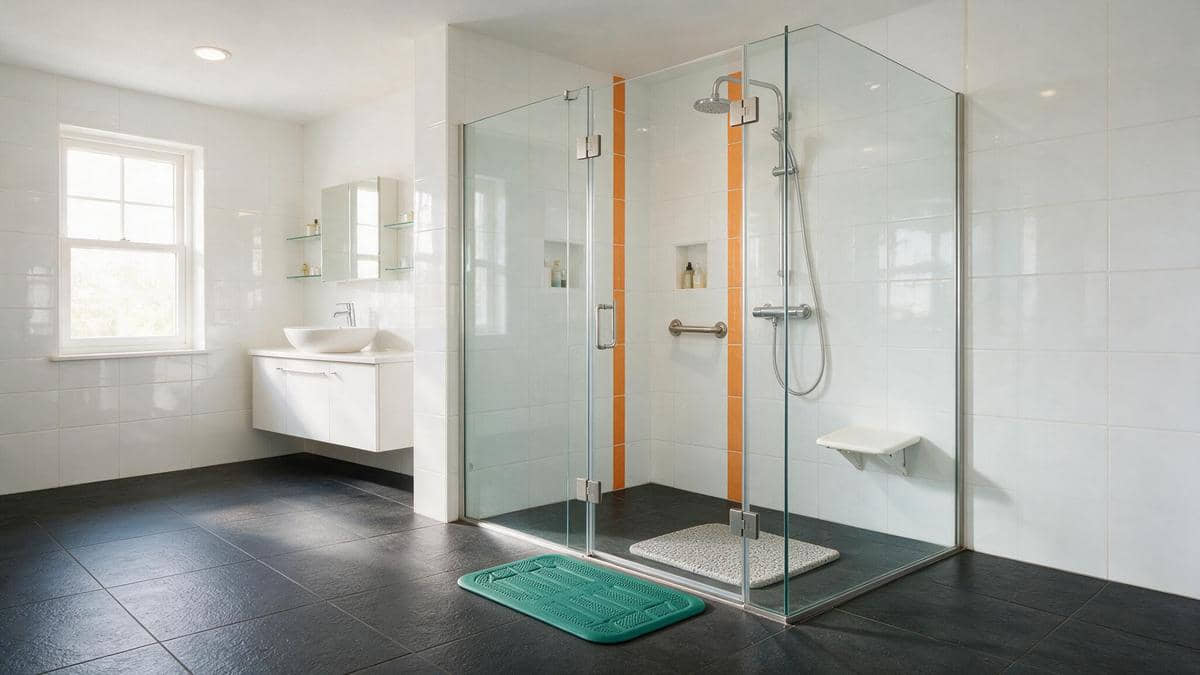
- Bathroom hazards. A grab bar near the toilet and in the shower costs little to install and provides reliable support.
- Cluttered pathways. Clear the routes you walk most often, particularly the path to the bathroom at night.
- Stair railings. Check that they’re firmly secured and easy to grip along their full length.
Fire Safety and Emergency Readiness
Smoke alarms save lives, but only when they’re working. Test the button monthly and check the batteries annually. Lgislation requires that you replace the entire unit every ten years. Most Australian states now also require interconnected smoke alarms in residential homes; it’s worth checking your local requirements if you haven’t already. An interconnected system simply means that all alarms will sound if there is smoke detected in one area of your home.
If you use gas appliances, a carbon monoxide detector is a sensible addition.
Keep a list of emergency contacts somewhere visible in your home, not just saved in your phone. Include your GP, a nearby family member or trusted neighbour as well as the number for your local council’s emergency services.
Kitchen and Bathroom: The Higher-Risk Zones
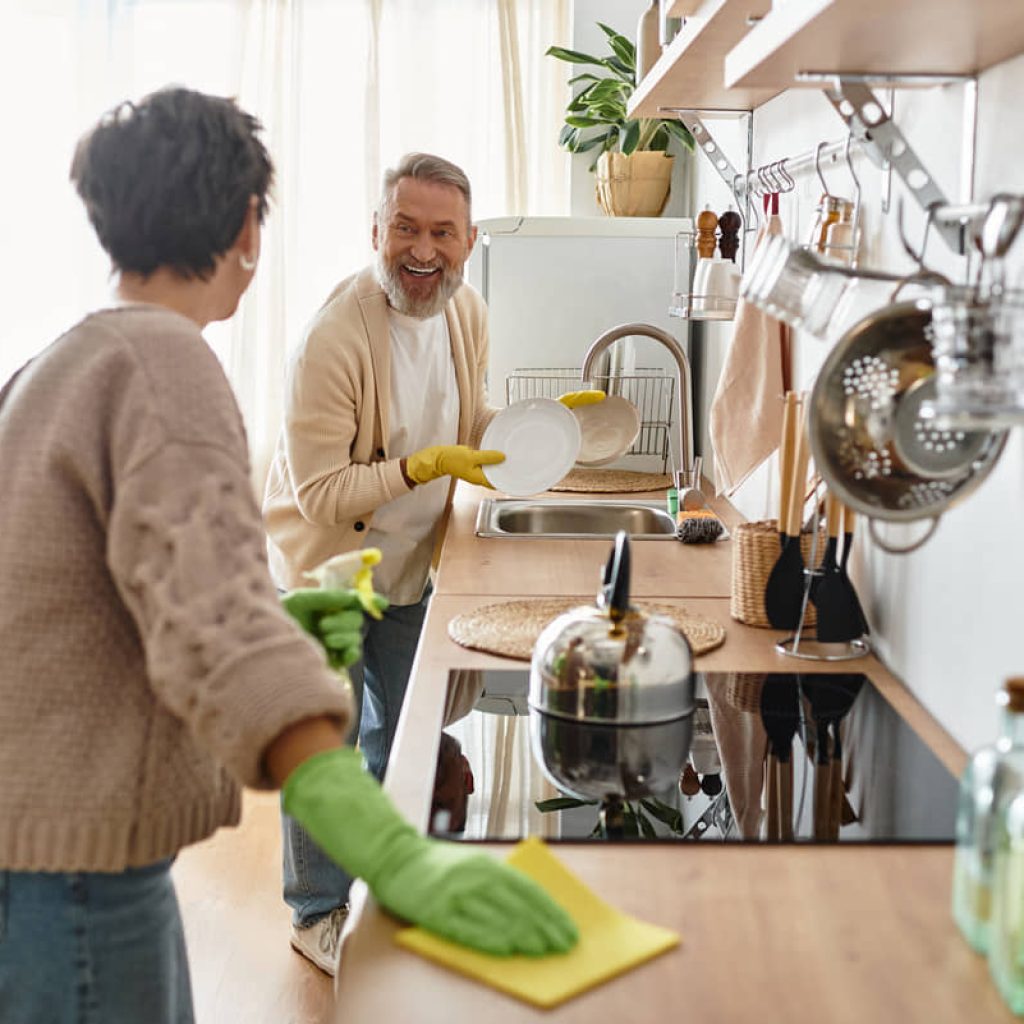
Kitchens and bathrooms are where most home accidents occur.
In the kitchen:
- Store heavy items at bench height or below, to avoid lifting overhead
- Keep cleaning products stored separately from food items
- Check that your stovetop and oven are in good working order and that safety features are functional
In the bathroom:
- Use non-slip mats both inside and just outside the shower or bath
- Consider a shower chair if standing for extended periods is tiring
- For convenience as well as safety, add a suction footrest and grab handle. These are easy to self-install.
- Review your medication storage: a locked or child-resistant cabinet makes sense if grandchildren visit regularly
Smart Home Technology Worth Considering
Modern technology offers some genuinely useful tools for home safety that don’t require significant technical knowledge.
Smart lighting that activates when you enter a room eliminates fumbling for switches in the dark. Voice-activated assistants can set reminders, call for help, or control appliances without requiring you to move around unnecessarily. Personal emergency response devices, worn as a pendant or wristwatch, allow you to call for help quickly if you fall and can’t reach a phone.
Most of these connect to a phone or tablet and are set up once. They’re generally a lot less complicated to set up than they look in the box!
Q&A
Are there government programs to help with home modifications?
Yes. The Australian Government’s Home Support Programme can fund minor modifications including grab bars, ramps, and handrails for eligible people. Contact My Aged Care on 1800 200 422 to find out what may be available to you.
How often should I check my smoke alarm batteries?
Test the button monthly and replace batteries annually. Alternatively, switch to 10-year lithium battery alarms, which are widely available and now required in many Australian states for new installations. It removes the need to remember.
What’s the best way to organise medications to avoid errors?
A weekly pill organiser is one of the most effective and affordable tools available. Keeping a current medication list in your wallet, with dosages, is also worthwhile, so the information is available if you see a different doctor or in an emergency.
Small Changes, Significant Protection
You don’t need to overhaul your home to make it meaningfully safer. Most of the improvements that matter most are small, practical, and inexpensive.
Pick one area to address this week. The bathroom is often the most useful place to start. Then work through the rest at a pace that suits you.