Senior Trip to Bucharest: 10 Incredible Places to Visit


Last Updated on September 18, 2026
Looking to add a distinctive European capital to your travel adventures? Bucharest, Romania’s vibrant heart, offers a remarkable blend of historical grandeur, cultural richness and modern energy that’s particularly well-suited to mature travellers seeking authentic experiences.
Often called “Little Paris” for its elegant architecture and tree-lined boulevards, Bucharest delivers a fascinating journey through time where Belle Époque buildings stand alongside Byzantine churches and imposing Communist-era monuments. The walkable historic centre, tranquil gardens and excellent museums suit seniors who appreciate a thoughtful pace with meaningful cultural immersion, and the city combines accessibility, affordability and authenticity: genuine local experiences, reasonable prices and a warm Romanian welcome, without the overtourism of other capitals.
Prefer to listen than read?
Attractions on a senior trip to Bucharest
1. Old Town (Lipscani District)
Bucharest’s historic centre is a labyrinth of cobblestone lanes dotted with beautifully restored 15th and 16th century buildings. Notable sites include the Stavropoleos Monastery and the National Bank of Romania, alongside quaint cafés and handmade craft stores.
Why it suits seniors: the Old Town presents a slow-paced setting ideal for strolling and appreciating the city’s heritage. Pedestrian-friendly streets make getting around simple, with plenty of cafés and benches for stops along the way. You can enjoy leisurely dining, people-watching in the charming squares, and unhurried exploration of nearby shops and crafts.
2. Palace of the Parliament
One of the biggest administrative buildings in the world and the heaviest building in Bucharest, the Palace of the Parliament was built under Nicolae Ceaușescu during the Communist era. Its grandiose architecture features opulent interiors lined with marble, gold leaf and crystal chandeliers, and guided tours let visitors explore its enormous halls and understand its significance for Romania.
It’s a must-visit for the special perspective it gives on the country’s political past and architectural ambitions. Carefully timed tours make navigating the vast spaces easy, and the sheer scale and craftsmanship combine historical knowledge with cultural appreciation in a remarkable experience.
3. Village Museum (Muzeul Satului)
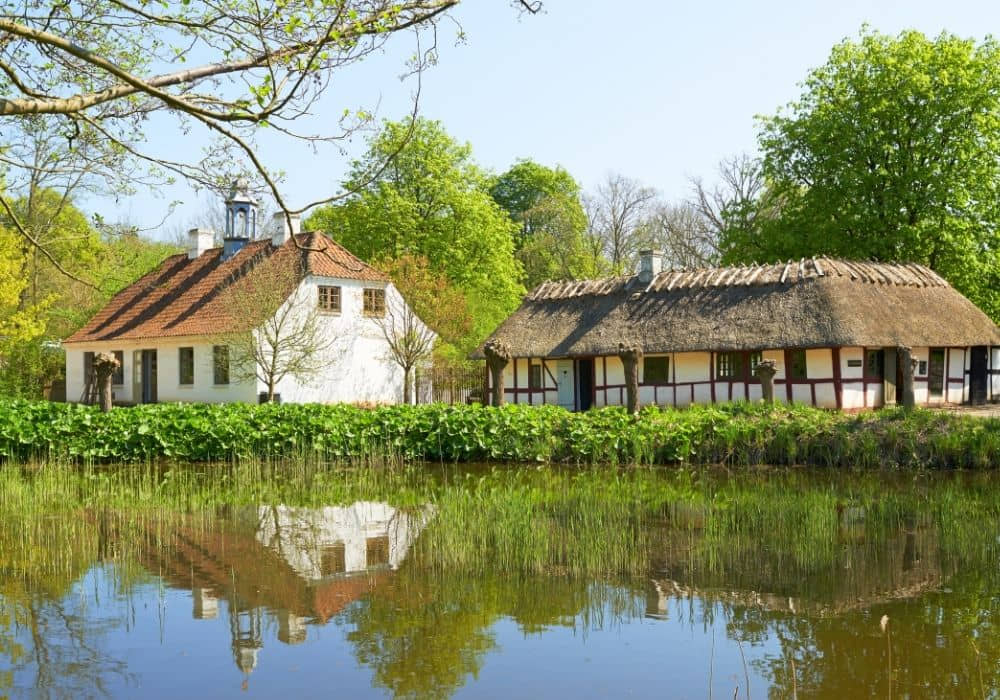
Herăstrău Park hosts this open-air ethnographic museum, featuring more than 300 authentic peasant homes, churches and windmills from across Romania. It offers a unique window into traditional Romanian village life, preserving the nation’s rural heritage through historical buildings and relics.
For retirees it provides an immersive cultural experience in calm, park-like surroundings. The large grounds are perfect for slow exploration at your own pace, with plenty of seating to rest and reflect, letting you enjoy fresh air and learn about Romania’s history and customs without travelling to rural areas.
4. Cișmigiu Gardens
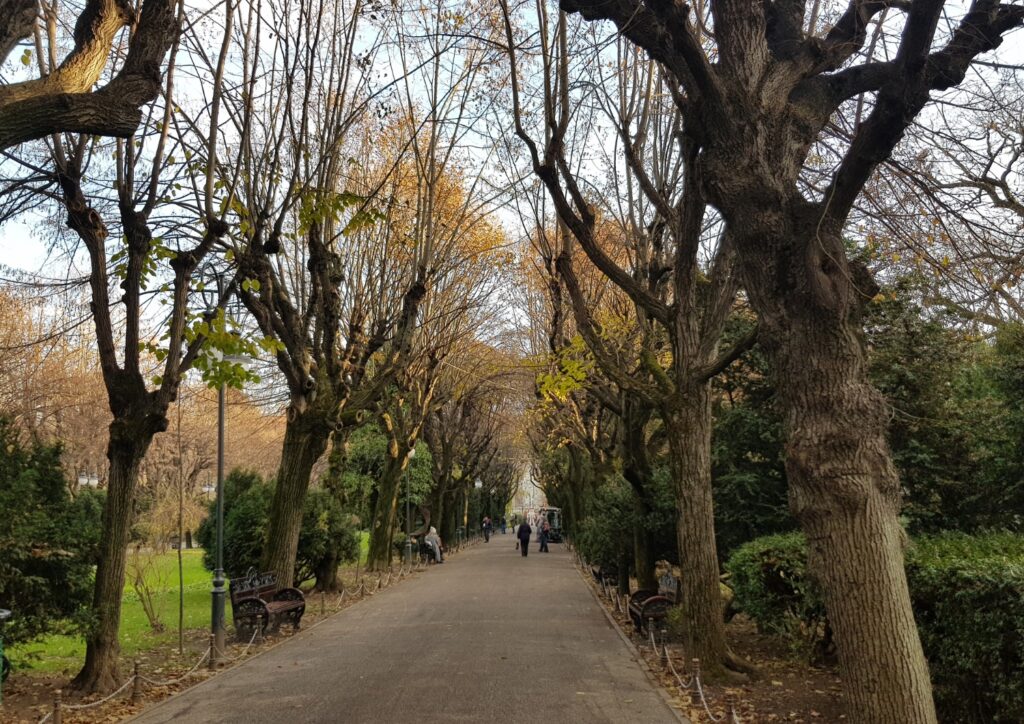
Established in 1847, Cișmigiu Gardens is Bucharest’s first public park. This beautifully designed oasis boasts gazebos, vivid flower beds, winding paths and lovely lakes with rowboat rentals, plus monuments and sculptures that add historical relevance to the natural beauty.
Cișmigiu offers a peaceful setting ideal for gentle walks. The well-kept paths suit all mobility levels, and abundant benches provide plenty of chances to relax and absorb the surroundings. Birdwatching, a quiet picnic or simply enjoying the calm environment make it a great addition to your itinerary.
5. Romanian Athenaeum
Renowned for its exquisite neoclassical architecture and lavish interior, the Romanian Athenaeum is a magnificent concert hall in central Bucharest. Constructed in 1888, it’s regarded as a symbol of Romanian art and culture and is the main stage for the George Enescu Philharmonic Orchestra.
It’s well worth a visit: world-class musical performances in a sophisticated setting, with a beautifully decorated interior featuring frescoes and gold leaf that combines architectural grace with cultural immersion. Guided tours are available even outside performance times, so you can explore this historic site at leisure.
6. Herăstrău Park (King Michael I Park)
Recently renamed King Michael I Park, Herăstrău is Bucharest’s largest park, covering nearly 160 hectares around Herăstrău Lake. It offers walking paths, boat rentals, cafés and the Dimitrie Gusti National Village Museum. For seniors, the park provides a calm setting perfect for leisure and light exercise: walk around the lake, take a boat ride, or tour the Village Museum without demanding physical exertion. Ample seating and accessible amenities make it pleasant for mature visitors.
7. National Museum of Art of Romania
Housed in the former Royal Palace, the National Museum of Art of Romania holds an impressive collection of European and Romanian artworks spanning centuries. Galleries feature paintings, sculptures and decorative arts by Rembrandt, Rubens and Romanian masters like Nicolae Grigorescu and Theodor Aman, across two sections: the European Art Gallery and the Romanian Modern Art Gallery.
It’s worth a visit for the chance to enjoy artwork in a tasteful, quiet environment: savour the curated displays at a leisurely pace and relax in the plentiful seating. Accessible facilities and informative exhibits make it perfect for intellectual stimulation.
8. Stavropoleos Monastery
Tucked into the Old Town, Stavropoleos Monastery is a calm Eastern Orthodox convent built in 1724, famous for its Brâncovenesc architectural style, delicately carved woodwork and beautifully kept frescoes. The courtyard garden, with stone carvings and old trees, provides a haven.
A visit offers a meaningful window into Romania’s religious legacy and artistic traditions, with little walking required. The peaceful atmosphere provides a meditative space to appreciate centuries-old workmanship.
9. Arcul de Triumf (Triumphal Arch)
The Arcul de Triumf is one of Bucharest’s most iconic monuments, inspired by Paris’s Arc de Triomphe. Originally built in wood in 1878 to mark Romania’s independence, it was rebuilt in granite and inaugurated in 1936. Standing 27 metres tall, it’s adorned with intricate sculptures and inscriptions celebrating Romanian history and unity.
Retirees can enjoy leisurely walks around the monument and the surrounding Kiseleff Park, making it a pleasant stop for relaxation and reflection, with easy access and great photo opportunities.

10. Cotroceni Palace and Museum
Cotroceni Palace is the official residence of the President of Romania and hosts the National Cotroceni Museum. Originally a monastery built in 1679, the palace has evolved into a splendid ensemble of Baroque and Brâncovenesc styles, with guided tours through lavishly decorated rooms, art collections and beautifully landscaped gardens.
The tours are informative and comfortably paced, letting you absorb the rich heritage without feeling rushed, and the serene gardens offer a peaceful retreat. A worthwhile addition to any culture-and-history itinerary.
Safety tips for visiting Bucharest
Bucharest is a fulfilling destination for seniors, and while the city is generally safe, some care will ensure a smooth, enjoyable trip.
Stay aware of your surroundings. Like any big city, Bucharest has busy areas where pickpocketing can occur, especially on public transport and in tourist spots. Keep personal items secure, avoid displaying expensive jewellery or large amounts of cash, and consider a secure bag or money belt.
Use reliable transport. Choose reputable ride-sharing or taxi firms for fair, safe pricing. Public transport is generally safe, but be cautious during busy times when buses and trains get packed. Arranging transport through your hotel or a reputable tour operator saves time and hassle.
Be cautious with street food and water. Bucharest has delicious local cuisine, but be selective with street food vendors to avoid foodborne illness. Choose cafés and restaurants with good reviews and high cleanliness standards. Tap water is safe for most people, though many prefer bottled.

Keep important documents secure. Store your passport and travel documents in the hotel safe and carry photocopies when moving around the city. This reduces the risk of losing important paperwork.
Purchase travel insurance. Wise for any traveller, but especially seniors: it covers medical emergencies, trip cancellations or lost luggage. Travelex Insurance, for example, offers up to US$50,000 in medical and dental coverage. That safety net lets you really enjoy your trip, knowing you’re shielded from unexpected events.
Be mindful of scams. Not common, but be aware of tourist scams like overcharging or unsolicited help. It’s fine to politely decline offers and walk away, and always confirm prices before using services.
Learn basic local phrases. A few simple Romanian words improve your trip and help you navigate situations. Simple greetings and thanks build rapport with locals, and key phrases help in emergencies or when seeking help.
Respect local customs and laws. Follow dress codes in places of worship, know local traffic rules if driving, and be aware of photography restrictions. Respecting local customs improves your cultural experience as well as your safety.
Stay connected. Ensure you have reliable communication, such as a phone with roaming or a local SIM. Keep important contact numbers handy: your embassy or consulate, local emergency services, and your hotel reception.
Plan your itinerary wisely. Plan daily activities with rest in mind, avoiding too much exertion. Bucharest has a lot of attractions, and pacing yourself lets you enjoy each one fully. Use guided tours where possible: they provide organised, accessible ways to see the city safely.
What to pack for your senior trip to Bucharest
Comfortable clothing and footwear: supportive walking shoes for museums, gardens and the Old Town; layered clothing (light sweaters or jackets) for variable weather; and weather-appropriate attire (warm summers, cold winters needing heavier coats, scarves and gloves).
Travel essentials: passport, visa if required, copies of important documents, sufficient prescription medications plus a list of them, and a record of medical conditions, allergies and emergency contacts.
Health and comfort items: personal toiletries, mobility aids (cane, walker) if used, and sunscreen and a hat for outdoor activities.
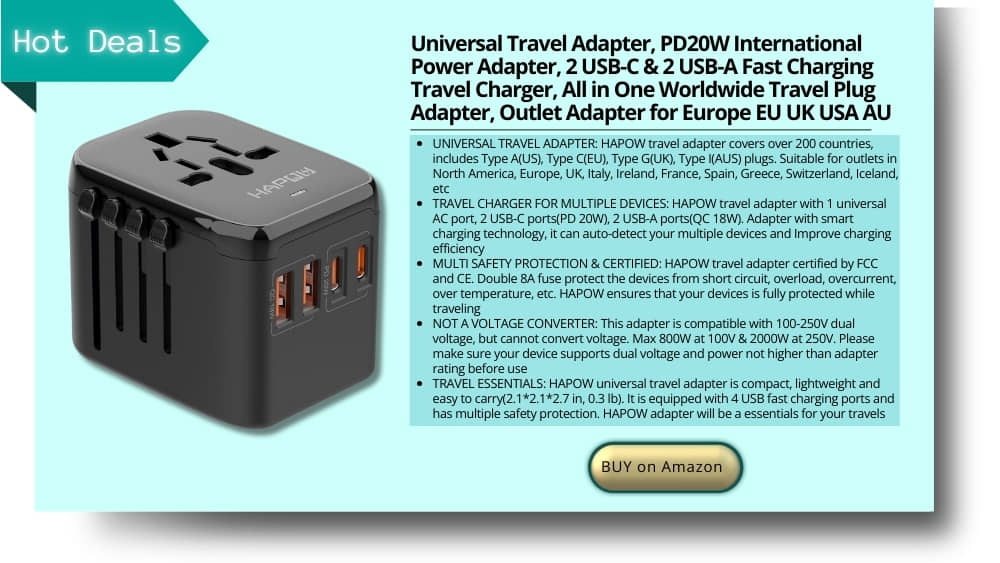
Electronics and accessories: mobile phone with an international plan or local SIM, a camera or smartphone for photos, and adapters (Romania uses Type F outlets).
Money and security: some Romanian Leu (RON) for immediate expenses, credit/debit cards (inform your bank of travel plans), and a money belt or secure wallet.
Travel aids: guidebook or maps, reading material for downtime, and a travel pillow for flights or long tours.
Health and safety items: a first-aid kit (band-aids, antiseptic wipes, over-the-counter medications), hand sanitiser and masks for crowded places, and emergency contact information including your embassy.

Cultural considerations: modest clothing covering shoulders and knees for religious sites like Stavropoleos Monastery, and small souvenirs from home if you plan to meet locals.
Optional items: binoculars for architectural detail, a journal to document your experiences, and a reusable water bottle to stay hydrated.
The bottom line
A senior trip to Bucharest promises a rich tapestry of experiences blending history, culture and relaxation. From grand architectural landmarks to serene parks and engaging museums, Bucharest offers something special for every retiree. Embark on your adventure to this captivating city and create unforgettable memories. We have more suggestions on places to spend your golden years: check out our guide to the best countries for retirement.
Frequently asked questions
Is Bucharest a senior-friendly destination?
Yes. Bucharest increasingly caters to mature travellers with accessible attractions, abundant benches in public spaces and excellent public transport. The pace is comfortable, with plenty of rest opportunities between sights, and major attractions like the Palace of Parliament and the National Museum of Art provide lifts and ramps.
What’s the best time of year to visit?
Late spring (May-June) and early autumn (September-October) offer the most pleasant weather: mild temperatures of 18-24°C, fewer crowds and comfortable walking conditions. Summer can be hot; winter brings cold temperatures and occasional snow.
How accessible is public transport for seniors?
Generally accessible and affordable. The metro is the most efficient way to travel, with signage and announcements in Romanian and English. Many buses and trams have low floors for easy boarding. Seniors over 70 with ID receive discounted fares, and visitors can buy 1-day or weekly passes for unlimited travel.
Are there senior discounts at attractions?
Yes. Visitors 65+ can often get 25-50% off entrance fees at museums, palaces and cultural sites with valid ID. Some places like the Village Museum and National Museum of Art have specific senior rates. Always ask when purchasing tickets.
What healthcare is available for seniors visiting Bucharest?
Excellent facilities, with many English-speaking doctors. Private clinics like Regina Maria and Medicover offer high-quality care for tourists. Ensure you have comprehensive travel insurance, carry a list of your medications (generic names), and consider a letter from your doctor describing your conditions.
Is Romanian food suitable for seniors with dietary restrictions?
Romanian cuisine can accommodate various needs. Traditional restaurants increasingly offer vegetarian options with allergen information, and common dishes like grilled vegetables, bean spread and polenta suit many diets. Larger restaurants in tourist areas are the most accommodating.
What are some relaxed activities for seniors?
Beyond the major attractions: classical concerts at the Romanian Athenaeum, peaceful walks through the Botanical Gardens, boat rides on Herăstrău Lake, afternoon tea at historic cafés like Caru’ cu Bere, and several thermal spas for post-sightseeing relaxation.
How safe is Bucharest for senior travellers?
Generally safe, with low rates of violent crime. As in any major city, remain vigilant against pickpocketing in crowded areas and tourist spots, stick to well-lit streets at night, and use licensed taxis or ride-sharing. Many seniors find small guided tours provide both safety and enriching historical context.
References
- Romania Ministry of Tourism (2024). “Visit Bucharest: Official Travel Guide.“
- National Museum of Art of Romania (2024). “Visitor Information and Accessibility.“
- Centers for Disease Control and Prevention (2024). “Traveler’s Health: Romania.“