The Silent Grief of Outliving Your Friends: What No One Tells You About Your 70s and 80s

Last Updated on September 10, 2026
There’s a quiet moment that hits a lot of us later in life. It’s not the kind anyone warns you about. One day you notice your contact list isn’t just changing, it’s thinning out. Fewer new names get added, while familiar ones disappear.
People talk a lot about the physical side of ageing. They spend far less time on what it feels like when your peers start leaving, one by one. Outliving your friends can feel like carrying a whole collection of shared memories that no longer have anywhere to land. The inside jokes, the old stories, the little moments that matter only because someone else was there to remember them with you.
It’s a kind of grief that doesn’t always look like grief. It’s quieter than that. It shows up in ordinary places, like reaching for the phone and realising there’s nobody left to call who “gets” that chapter of your life without a long explanation.
And it’s not only about missing specific people. You’re losing the ones who reflected you back to yourself over the years. Friends hold pieces of who you used to be, and when they’re gone, it can feel like parts of your own history have gone silent too. That’s a sharp, particular loneliness, and it can hit in your 70s and 80s even when you’re surrounded by family and keeping busy.
Key takeaways
- In your 70s and 80s, the hardest loss isn’t just the people. It’s the steady disappearance of the shared memories and “life witnesses” who made your history feel real.
- As celebrations fade and memorials become more common, grief starts showing up in everyday moments, and new connections can start to feel risky.
- Peace comes from carrying your friends’ stories forward while building fresh, low-pressure connections and a stronger inner life for the quieter years.
The shrinking inner circle
Your 70s and 80s can bring a social shift you don’t really see coming. In mid-life, your world feels busy almost by default. There’s always a birthday dinner, a neighbour dropping in, a get-together with old classmates, a couple you’ve known forever calling for a catch-up.
From celebrations to commemorations
For a long time, the main reasons people got together were the good milestones. Weddings. Anniversaries. Retirement parties. New grandbabies. Promotions and move-in days. Even when life was stressful, there was usually something ahead on the calendar that felt like movement, like the story was still opening up.
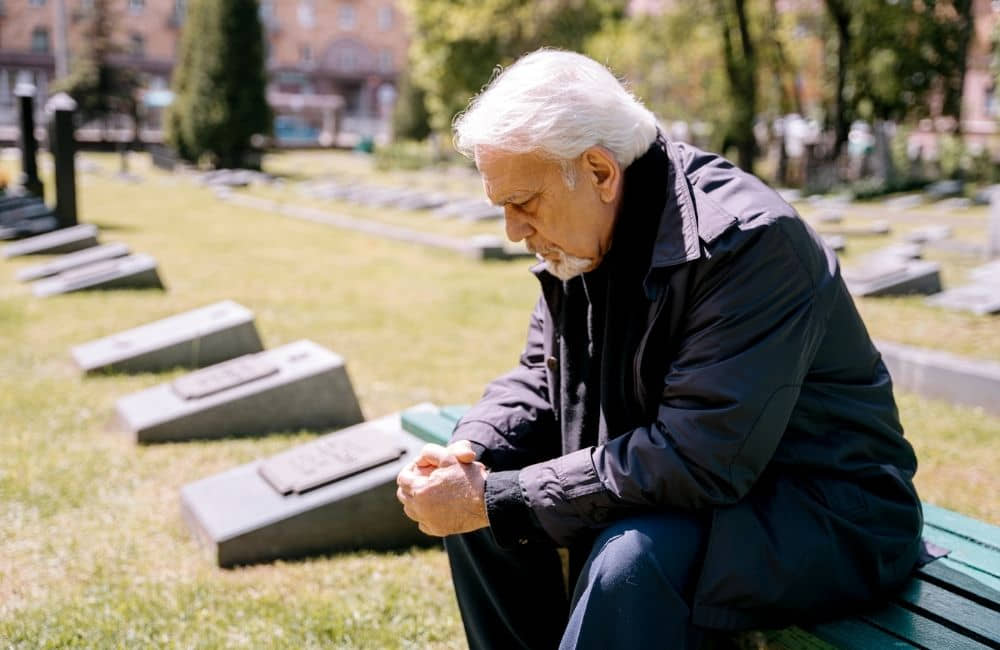
Later on, the calendar changes. The same outfit that used to come out for a big dinner gets pulled forward for a memorial service. The drive across town isn’t for a celebration anymore; it’s for a goodbye. You learn the rhythms of condolence calls, prayer cards and quiet hugs in church hallways. You learn the small talk that happens at wakes, where people try to be gentle but don’t quite know what to say.
That shift carries a weight that’s hard to explain until you’ve lived it. It’s not just sadness for the person who died. It’s the repeated reminder that time is narrowing. Each service doesn’t just mark one loss; it stirs up all the others. It changes how you walk through ordinary days, too. You catch yourself thinking, “Who’s next?”, then feeling guilty for thinking it. You get tired of dressing for grief, tired of the ritual, tired of the slow accumulation of endings.
Sometimes it even changes how you approach new connections. People get cautious about getting close again because they don’t want to “start over” with someone new, or face another loss. That’s real, and it’s rarely talked about.
The survival paradox
Outliving your peers brings up a strange mix of emotions that don’t fit together neatly. One part of you feels grateful. You woke up today. You can still move around. You’re still you. That matters, and it’s not small.
Another part feels unsettled. You look around and realise the people who made your life feel familiar are gone. The friends who knew your parents. The ones who were there for your first flat, your first heartbreak, your best years at work. They’re the ones who could laugh at an old story without you explaining the context. When they’re gone, pieces of your own history lose their witnesses.
That’s where the “last one standing” feeling creeps in. It’s not dramatic, and it’s not something you necessarily say out loud. It’s more like a private question that keeps returning: why am I still here when so many of them aren’t? You can be thankful and heartbroken at the same time. You can enjoy your morning coffee, then feel a wave of guilt because someone else never got to see this day.
Navigating the silence
Finding some peace in your 70s and 80s often means changing what you’re aiming for. You’re not trying to rebuild the social life you had at 45. You’re learning to live well in a quieter season, without letting that quiet turn into a sense of disappearing. Part of that is grieving what’s gone. Part of it is choosing, on purpose, what you’ll build in its place.
The art of the living eulogy
Much of the heaviness comes from memories having nowhere to go. The people who would’ve laughed at that story, or remembered the same detail, aren’t there to trade it back with you. So the memories pile up inside your head, and they can start to feel like a sealed room.
It helps to give them somewhere to land. Some people write letters to friends who’ve passed, not because they expect an answer, but because it lets the relationship have one final kind of conversation. Others keep a small journal just for shared stories, the ones you don’t want to lose. Even saying a person’s name out loud while you make coffee, or walking past a place you used to go together, can make the loss feel less like a blank space and more like a continuing thread.
It’s not about “moving on” in a cold way. It’s about keeping the love and the history alive in a form that doesn’t depend on someone else being in the room.
Cultivating intergenerational anchors
One of the hardest parts of outliving your peers is that your age group can feel like it’s thinning all at once. The world can start to feel smaller. Friendships with younger people can widen it again.
These relationships don’t have decades of shared context, and that’s fine. They bring something different. A younger neighbour who checks in. A niece or grandson you get to know as a real person, not just “the kid”. A former workmate who’s now a grown adult with their own worries and dreams. Even casual conversation with someone younger pulls you back into the present and reminds you there’s still a future unfolding around you.
Mentoring works the same way. It gives you a role that isn’t only “survivor” or “widow” or “the one who’s left”. It’s a way to pass on what you’ve learned while staying connected to people who are still building their lives.

Curating new shared experiences
Nothing replaces a 40- or 50-year friendship. That’s true, and it’s worth saying plainly. At the same time, your ability to connect doesn’t run out at a certain age.
New friendships in later life often start in smaller, more practical ways. A book club where you see the same faces each month. A walking group that keeps you moving and gives you easy conversation. A volunteer shift with a shared task and a reason to show up. These aren’t “replacement friends”. They’re companions for this chapter of life.
That kind of low-pressure social contact matters more than people think. It keeps your mind active. It gives your week some shape. It breaks the feeling that your home is slowly turning into a bubble you never leave.
Solitude versus loneliness
Being alone and feeling lonely aren’t the same thing, even though they can overlap. Being alone can be calming. It can be a relief. Loneliness is the painful sense that you don’t matter to anyone, or that nobody really sees you. Learning the difference can change how your days feel.
Building a richer inner life helps the quiet feel less like emptiness. That might be hobbies you actually enjoy, not the ones you “should” enjoy. Gardening, music, puzzles, prayer, a daily reading habit. For some people it’s meditation; for others it’s simple routines that make the day feel grounded and familiar.
The goal isn’t to become someone who doesn’t need anyone. It’s to make your own company feel steady, so the quiet doesn’t automatically feel like a threat.
The mandate of the survivor
There’s a shift that can happen when you stop seeing survival as a strange burden and start seeing it as a role. If you’ve outlived your friends, you’re holding stories that would otherwise vanish. You remember what they were like when they were young. You remember what they overcame, what they cared about, what made them laugh.
That’s not a small responsibility, but it can be a source of meaning. Telling a story at the dinner table. Passing along a lesson a friend taught you without ever knowing it. Keeping a tradition alive because you’re the one who still remembers it. Those small acts can make the silence feel less like erasure and more like stewardship.
You’re not just living after others are gone. You’re carrying pieces of them forward in the way you speak, the way you love, and the way you keep showing up.
The bottom line
Outliving your friends is its own kind of journey, and most people aren’t prepared for it. It asks for a steady kind of courage, the kind you use quietly, day after day, when there’s no clear roadmap and no easy next step. The silence can feel heavy, especially when it’s not one loss but a long series of them.
At the same time, that silence says something important. It points to how deep those friendships were and how long they lasted. You don’t grieve this much for shallow connections. You grieve because those bonds mattered, because they shaped your life, and because they helped make you who you are.
Frequently asked questions
How do I handle the survivor guilt of being the only one left?
Survivor guilt is common when you outlive friends. Try reframing longevity as a way to carry their stories and values forward. Talk about them, keep small traditions, and let yourself enjoy life without apology. If guilt starts affecting your sleep or appetite, a grief counsellor or support group can help.
Can you make meaningful new friends at 80?
Yes. New friendships at 80 usually grow through shared routines, not shared history. Interest-based settings work best: walking groups, hobby classes, volunteer shifts, faith communities. Intergenerational friendships can feel surprisingly steady, too. Consistency matters most; seeing the same people regularly is what turns acquaintances into real connections.
How can I preserve the memories of friends who are gone?
Start a simple legacy habit: a notebook, voice notes, or a photo folder with captions. Write down the inside jokes, favourite sayings and key stories while they’re fresh. Share them with family, especially younger relatives, so the memories don’t stay trapped in your head.
What is bereavement overload and how do I manage it?
Bereavement overload happens when several losses stack up quickly and leave you emotionally depleted. You might feel numb, foggy, irritable or constantly tired. Ease it by reducing obligations, leaning on steady routines, and seeking support groups or counselling. Give yourself recovery time after funerals. Grief needs space to breathe.