7 Incredible Ways Daily Dog Walks Boost Your Pet’s Well-Being

Last Updated on September 17, 2026
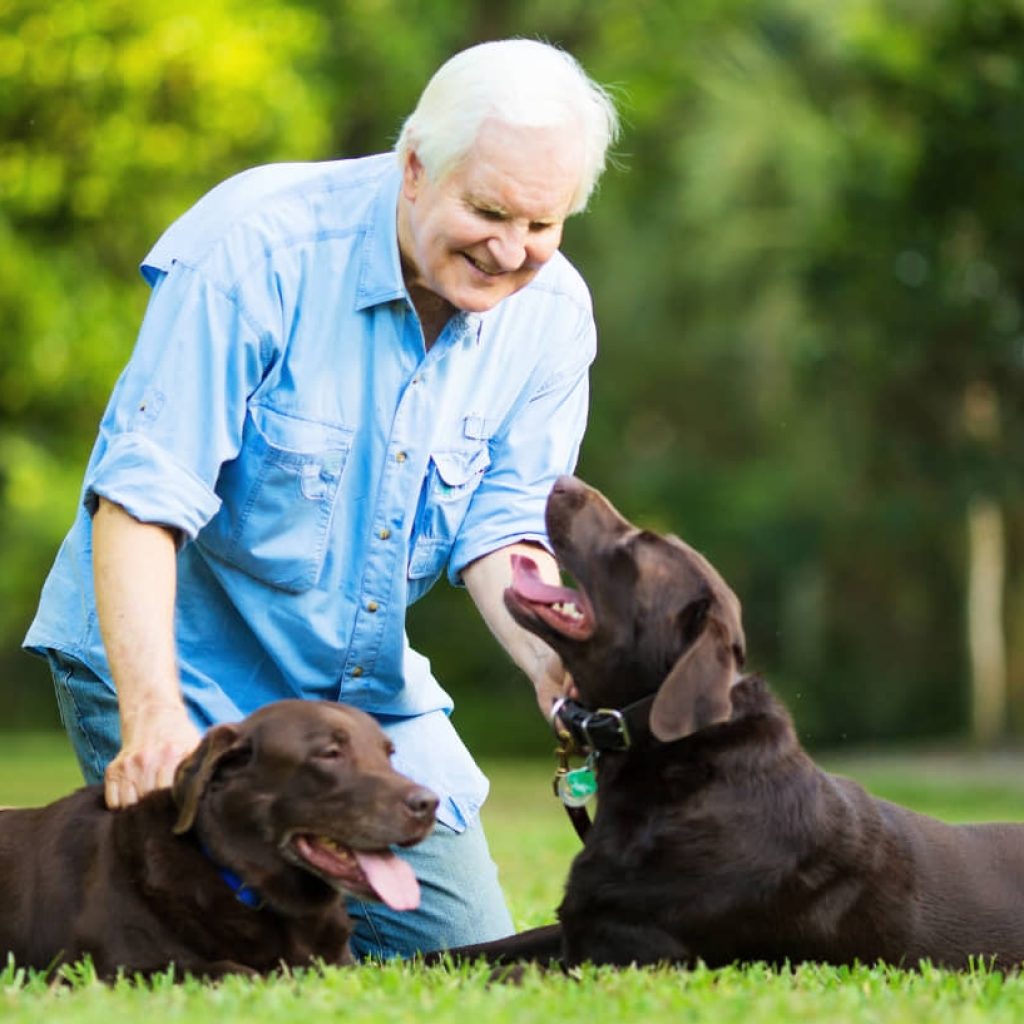
Have you ever wondered why that simple daily stroll with your four-legged companion feels so rewarding? For mature adults, dogs are far more than pets: they’re cherished family members who bring joy and meaning to retirement years. What many don’t realise is that daily dog walks create a ripple effect of benefits for both you and your dog, reaching well beyond basic exercise.
Research from Stanford University confirms what dog-loving seniors have long suspected: regular dog walking is associated with lower BMI, fewer limitations in daily activities, fewer chronic conditions and fewer doctor visits. But the magic doesn’t stop with physical health. These daily outings strengthen the bond between you and your pet while providing mental stimulation that keeps both minds sharp.
Here are seven remarkable ways daily walks transform your dog’s wellbeing, plus practical strategies for the challenges mature adults face, and alternatives for days when walking isn’t possible.
Prefer to listen than read?
1. Physical health benefits for your dog
Physical exercise is essential for dogs of all ages and breeds, and daily walks are one of the most effective ways to keep your pet fit and healthy.
- Weight control. Obesity is common in dogs and leads to diabetes, heart disease and joint problems. Regular walking burns calories, boosts metabolism and maintains a healthy weight.
- Stronger muscles and joints. Walking strengthens muscles, tendons and ligaments, supporting joint health and mobility. This is especially important for preventing arthritis, and regular movement eases osteoarthritis pain while maintaining flexibility.
- Cardiovascular health. Daily walks improve cardiovascular fitness, strengthen the heart muscle and enhance circulation, giving your dog more energy and endurance.
- Digestive health. Physical activity stimulates digestion and helps regulate bowel movements. Walking after meals aids digestion and nutrient absorption.
- Immune system boost. Regular exercise enhances the immune system, making your dog less susceptible to illness, which is vital for overall health and longevity.

2. Mental stimulation and better behaviour
Dogs are intelligent creatures that need mental stimulation as much as physical exercise, and walks provide a wealth of opportunities to engage their senses and mind.
- Beats boredom. A bored dog develops destructive habits: chewing furniture, digging holes, excessive barking. New environments, smells and sights keep the mind active, and mental engagement is just as tiring as physical exercise.
- Better mood. Time with a dog reduces cortisol (the stress hormone) in humans, and for dogs, exercise releases endorphins that make them happier and more relaxed.
- Improved sleep. A dog that gets enough physical and mental activity during the day sleeps soundly at night, and good sleep is essential for health and behaviour.
- Cognitive function. New routes and environments challenge your dog’s brain and enhance cognitive abilities, especially valuable for senior dogs, helping to slow cognitive decline.
- Calmer behaviour. Walks give an outlet for excess energy. A well-exercised dog is generally calmer at home, and the routine of walks provides structure that anxious dogs find comforting.
3. A stronger bond between you and your dog
The relationship between you and your dog is special, and daily walks provide one-on-one time that deepens trust and understanding.
- Builds trust: consistent time together helps your dog see you as a reliable, trustworthy companion.
- Enhances communication: regular interaction helps you read your dog’s body language and meet their needs better.
- Creates joyful memories: discovering a new park or meeting friendly dogs becomes part of your shared history.
- Provides emotional support: for seniors, walking a dog reduces loneliness and provides a sense of purpose and daily structure.

4. Socialisation opportunities
Socialisation is crucial for your dog’s development: it teaches them how to interact appropriately with other animals and people, which leads to better behaviour and a more confident pet.
- Develops social skills: exposure to different environments, people and animals teaches your dog how to behave in varied situations, preventing fear or aggression toward the unfamiliar.
- Reduces fear and anxiety: regular encounters with new stimuli make your dog more adaptable, so vet visits and travel become less stressful.
- Encourages positive behaviour: a well-socialised dog is friendlier and more relaxed, and less prone to fear-based reactions.
- Enhances your own social life: meeting other dog owners and neighbours can lead to new friendships and a stronger sense of community, which matters enormously for seniors living alone.
5. Longevity and quality of life
The cumulative effect of regular exercise and mental stimulation significantly influences your dog’s lifespan and happiness.
- Longer lifespan: active dogs tend to live longer than sedentary ones. Regular activity helps prevent chronic disease and keeps vital organs functioning well.
- Better quality of life: an active dog is a happier dog, engaged with the world and less stressed.
- Fewer health problems: regular walks help prevent obesity, heart disease and joint issues before they start.
- Healthy weight: keeping your dog lean reduces strain on joints and organs, meaning better mobility and less pain with age.
- Mental health support: continued stimulation helps prevent cognitive decline in older dogs. Keeping their minds active matters as much as the exercise.

6. The power of sniffing
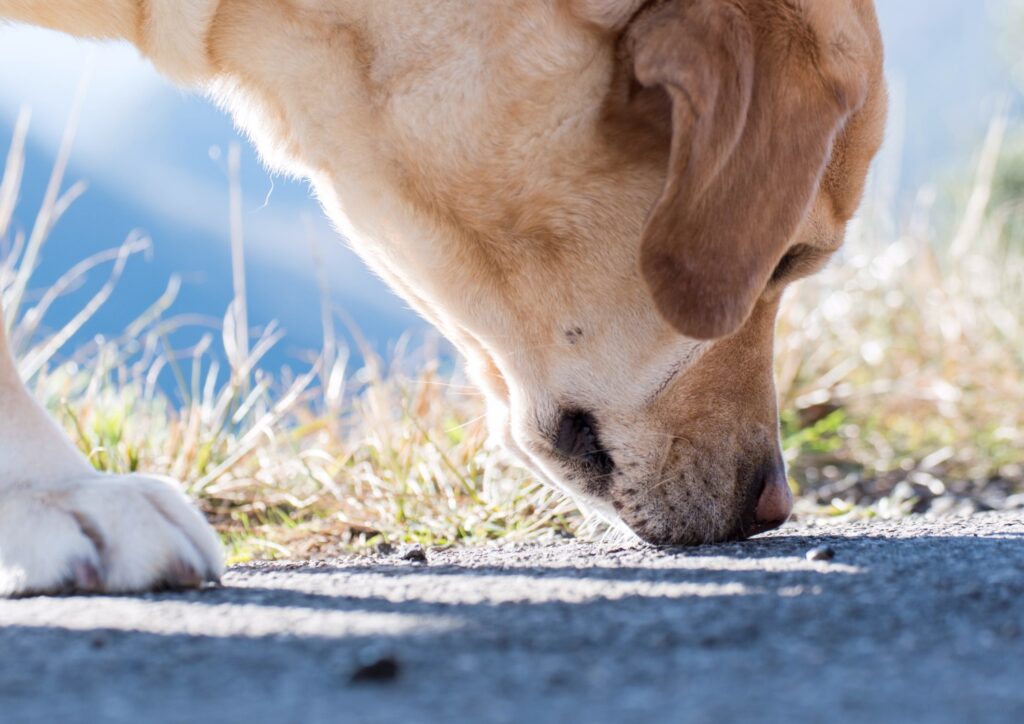
A walk isn’t just physical exercise: it’s your dog’s chance to explore the world through smell. Dogs have up to 300 million scent receptors, compared with about 6 million in humans, and the part of their brain devoted to processing smells is proportionally 40 times larger than ours.
When your dog stops to sniff a patch of grass, they’re gathering real information: which animals have passed by (species, gender, even emotional state), food sources and environmental changes like approaching weather, and scent marks that convey messages about territory and social status.
Sniffing engages your dog’s brain in a way physical exercise alone doesn’t. It satisfies natural curiosity and provides a mental workout that can tire them as much as a long run, which is especially important for intelligent, high-energy breeds. Allowing sniffing lets your dog engage in instinctive behaviours that bring joy and satisfaction; preventing it would deprive them of their primary way of exploring the world.
Build “sniff breaks” into your walks: find safe spots where your dog can explore with their nose, whether a park, a bush trail or a simple patch of grass. It enriches their experience and strengthens your bond as you share their exploration.
7. Practical challenges solved
Daily walks offer immense benefits, but seniors face unique challenges. Here’s how to handle the common ones.
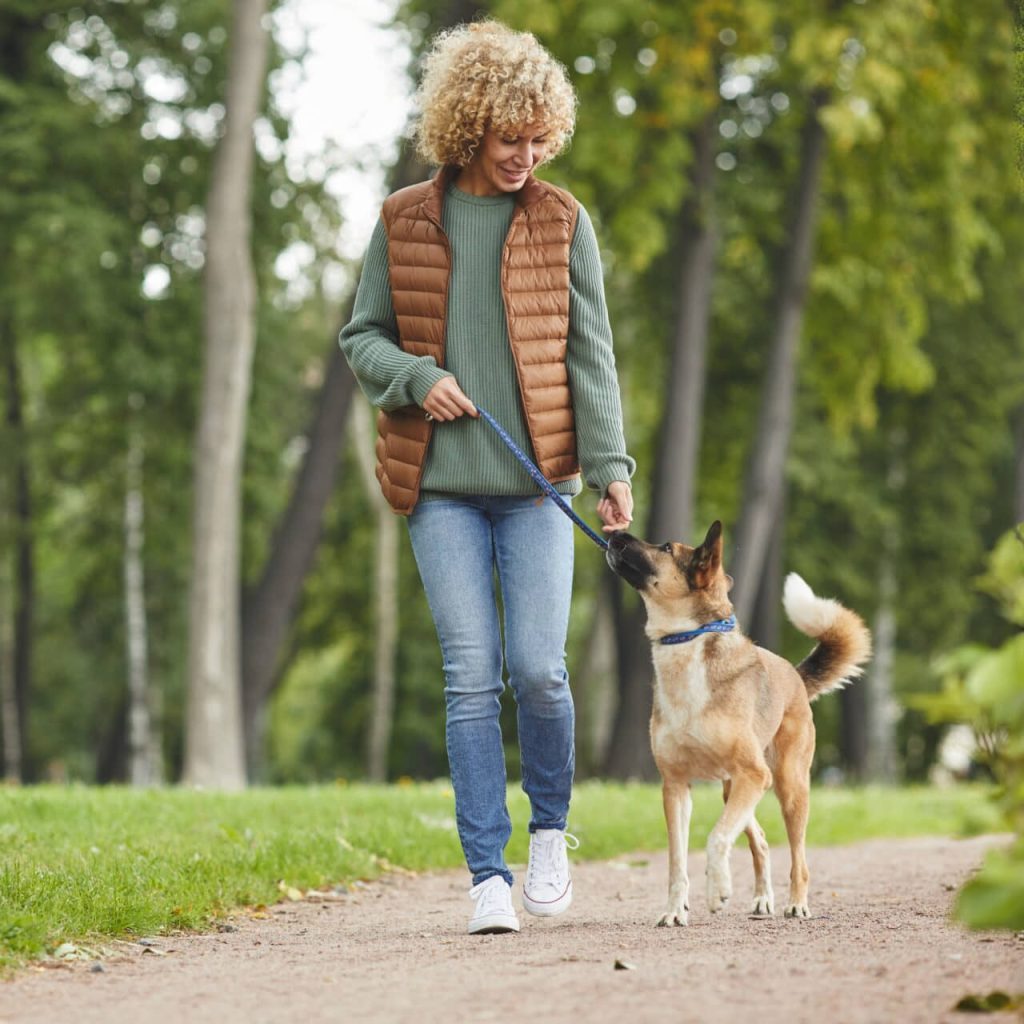
Physical limitations. Ageing can make walking harder, but there are workarounds: use mobility aids (canes, walkers, scooters) during walks; choose smaller, less energetic breeds that are easier to manage; and try multiple short walks through the day instead of one long one, which can be just as beneficial and less demanding.
Time management. Set a consistent routine so walking becomes a habit. Combine tasks by running errands or meeting friends during the walk. Adjust timing to the cooler parts of the day.

Weather. Australian conditions vary enormously. Check forecasts and avoid walking in extreme heat or storms. Dress appropriately for comfort and safety, and protect your dog with pet-friendly sunscreen in hot weather or a coat in the wet.
Community support. Join local dog walking groups for companionship and motivation. Attend community pet events, and check whether your local council offers services for seniors and pet owners.
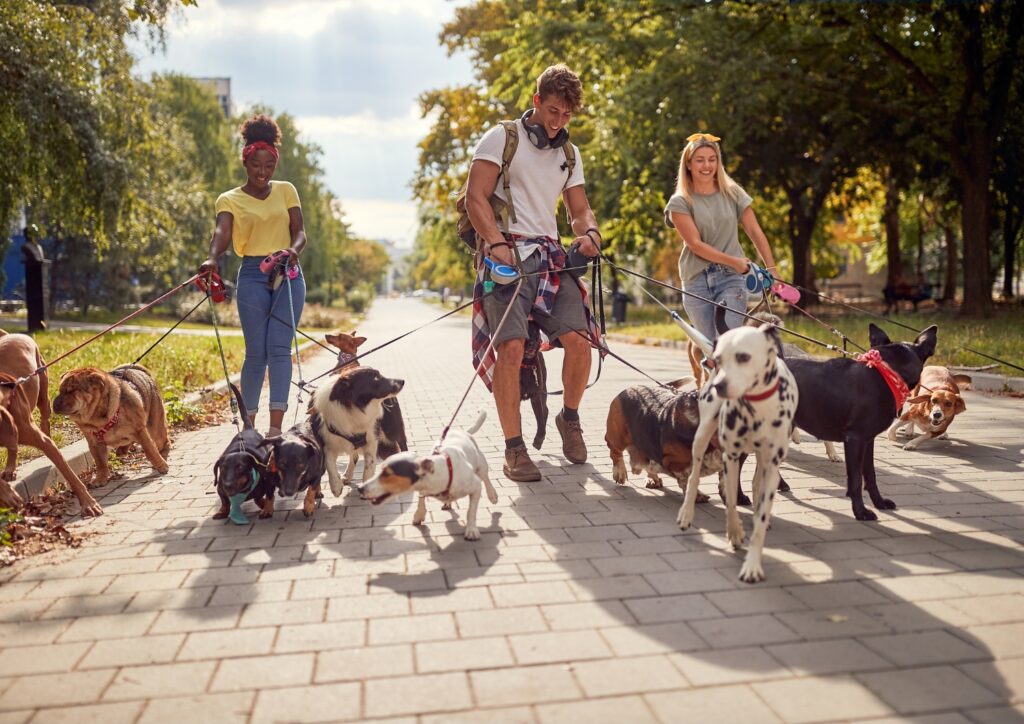
Professional services. When walking isn’t feasible, hire a professional dog walker, consider dog daycare for socialisation and supervised play, or use pet care apps that connect you with vetted caregivers nearby.
Getting more out of every walk
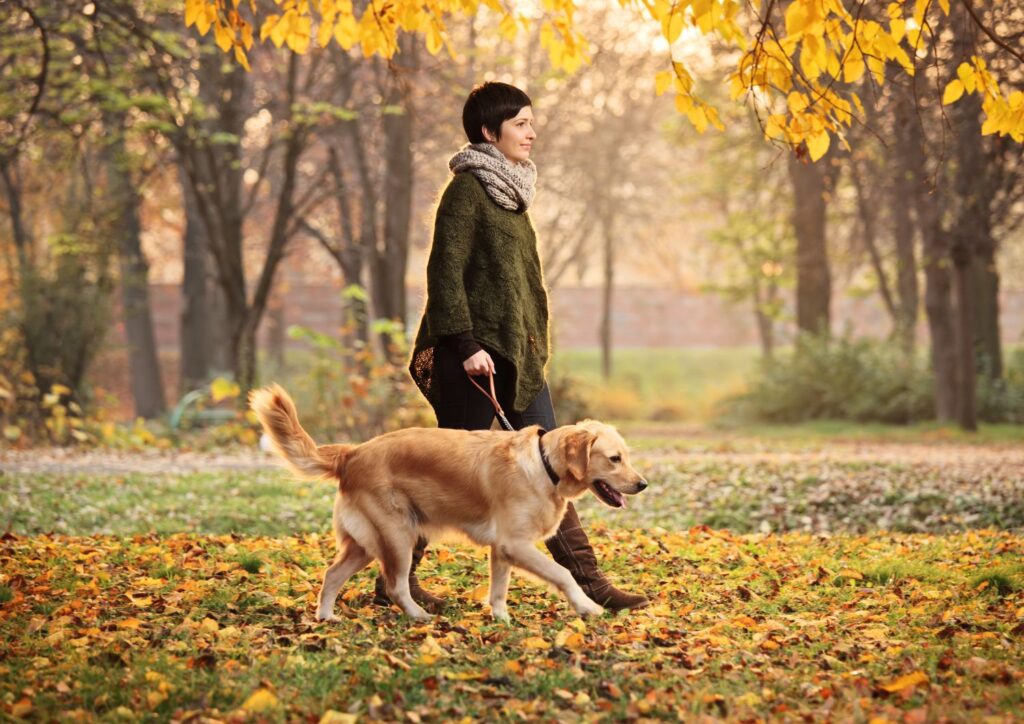
Choose the right gear. A sturdy, comfortable leash gives you control without strain, and a harness rather than a collar reduces neck strain and gives better handling, especially for dogs that pull. For yourself, wear supportive shoes that protect your feet and provide stability.
Vary your routes. New parks and trails stimulate your dog’s senses with fresh scents and sights. Dog-friendly parks add off-leash play and socialisation, and time in natural settings boosts mood and lowers stress for both of you.
Add training and play. Reinforce commands like “sit”, “stay” and “heel” during walks, and use positive reinforcement (treats, praise) to strengthen the bond and improve obedience.
Monitor health and safety. Watch for fatigue: excessive panting, slowing down, reluctance to continue. Carry water for both of you in warm weather, and check your dog’s paws after walks for cuts or irritation.

When walking isn’t possible
Life is unpredictable, and some days a walk just won’t happen, whether because of health, weather or other circumstances. Your dog’s needs don’t pause, so here are alternatives:
- Indoor exercise and games: fetch with soft toys in a safe space, DIY obstacle courses from household items, and command practice (mental exercise tires dogs as much as physical).
- Interactive toys: puzzle toys that encourage problem-solving for treats, chew toys for natural instincts, and scent games where you hide treats for your dog to find.
- Help from family and neighbours: grandchildren often love walking the dog; a friendly neighbour might share walking duties; some community programs connect seniors with volunteers.
- Professional services: dog daycare for socialisation and supervised play, walking services tailored to your dog, and pet-sitting apps for vetted caregivers.
The bottom line
Daily dog walks are a simple yet powerful way to enhance your pet’s wellbeing, and for seniors they deliver mutual benefits: better physical health, mental stimulation, and a stronger bond with a cherished companion. Embrace the joy and purpose that comes with this daily ritual, and watch it transform both your lives.
Frequently asked questions
What if I miss a day?
Occasional missed days aren’t harmful. The key is a regular schedule most of the time. If you miss a day, add extra indoor mental stimulation and resume your routine as soon as you can.
Are short walks beneficial?
Absolutely. Even brief walks provide exercise and stimulation, and multiple short walks can be as effective as one longer walk. A 10-minute walk is infinitely better than none.
How can I tell if my dog needs more exercise?
Watch for restlessness, destructive behaviour, excessive barking or weight gain. If your dog still seems to have excess energy after walks, they may need more activity. When in doubt, ask your vet.
What safety precautions should I take?
Always use a leash to keep your dog safe and under control, avoid walking in extreme heat (heatstroke risk), and stay alert to hazards like traffic or aggressive animals. Carry water for both of you in warm weather.
How do I handle leash pulling?
Consistent training and positive reinforcement are key: reward your dog for walking nicely beside you, consider a front-clip harness for better control, and stop moving forward when they pull, resuming only when the leash is loose. A professional trainer can help if pulling persists.
Can walking help with behavioural problems?
Yes. Regular walks often significantly improve behaviour by providing necessary exercise and mental stimulation; many destructive habits stem from boredom or excess energy. Some issues may also need additional training alongside the exercise.
References
- Stanford University Longevity Center (2024). The Surprising Health Benefits of our Canine Companions.
- HelpGuide.org (2024). Dog Walking: The Health Benefits of Walks with Your Dog.
- Better Health Channel, Victoria State Government. Dog walking – the health benefits.
- Harvard Health Publishing (2017). Walking the dog: yes, it counts as exercise.
- PBS NOVA (2012). Dogs’ Dazzling Sense of Smell.
- News Medical (2020). Benefits of Dog Walking in Older Adults.