Why Seniors Keep Falling for Online Scams

Last Updated on September 10, 2026
Online scams have turned the internet into a busy shopping mall for criminals, and their preferred customers are seniors. Scammers don’t just count on someone being less comfortable with technology. They lean hard on loneliness, routine and emotional pressure that push people into quick decisions, and they look for the people who won’t ask for help.
Understanding why these tactics work matters whether you’re protecting yourself, your spouse or your mates. Once you see how normal age-related changes affect decisions, you can see how these scams evolve, and how to shut them down.

Key takeaways
- Scammers target seniors not just for their assets but because they can exploit emotional needs like companionship and trust.
- High-pressure tactics and manufactured crises are designed to bypass logical thinking by triggering panic and urgency.
- Effective protection combines basic technical safeguards with a family environment where seniors feel safe reporting anything suspicious, without shame.
The psychology of trust and isolation
Scams don’t land on seniors because they’re bad with computers. They’re successful because they hit real human needs. Loneliness, big life changes and normal shifts in attention make anyone vulnerable. Here’s a closer look at why trust and isolation open the door.
Social isolation as a gateway
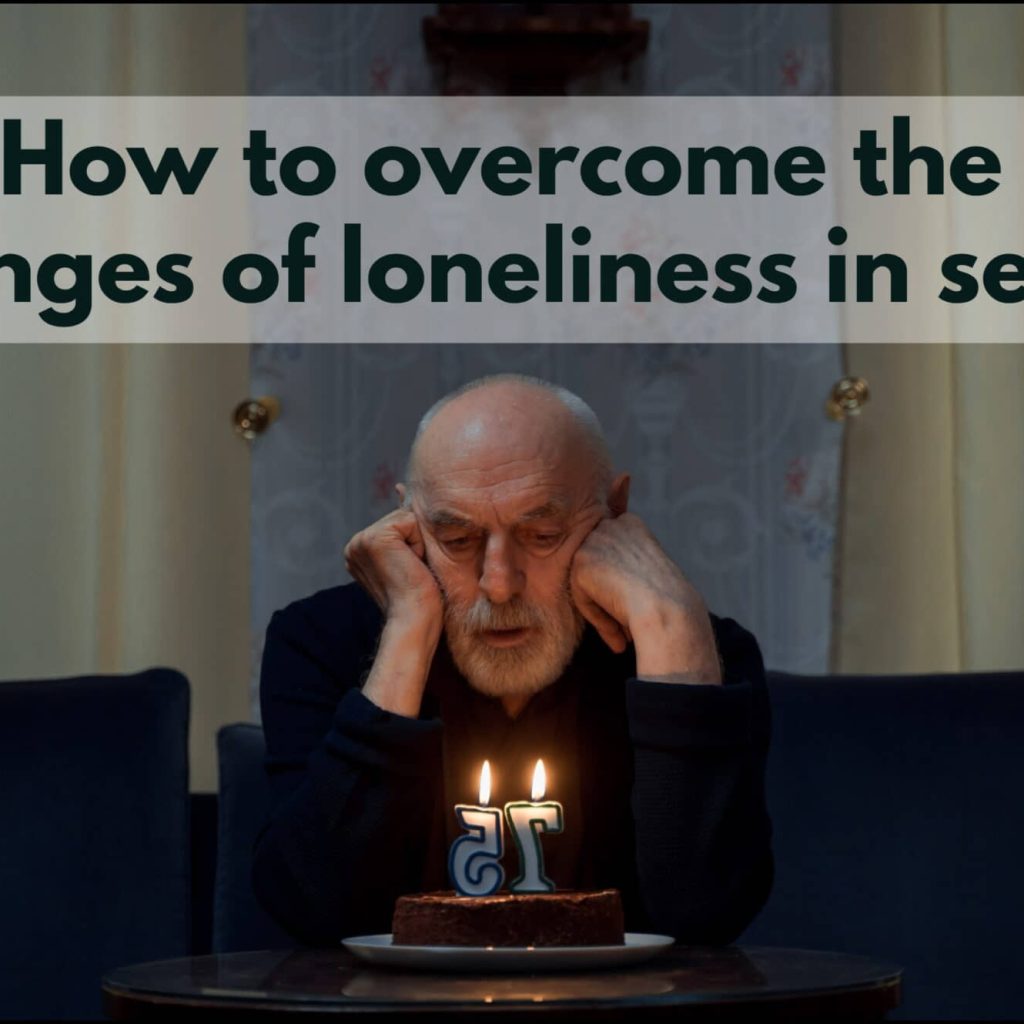
After retirement, the days can get quieter. A spouse may pass away, driving gets harder, or health issues limit outings. All of that shrinks the number of casual conversations and check-ins that used to happen without thinking. That’s where scammers squeeze in.
If a senior starts getting regular messages from someone who sounds warm and interested, it can feel like a bright spot in an otherwise lonely week. The attention feels good, and it lowers the guard that would normally go up with a stranger.
Scammers often don’t rush this part. They’ll chat for weeks or even months, slowly building comfort and routine. That time investment creates a sense of “this person knows me”, which makes the relationship feel real. So when the money request finally shows up, it doesn’t feel like a pitch. It feels like helping someone they care about.
The trust instinct and generational values
Many seniors were raised to assume people are decent until proven otherwise. If someone spoke confidently, used polite language and seemed respectful, that carried weight. A handshake and a promise meant something.
Online, that same instinct can backfire. Scammers hide behind fake profiles, spoofed phone numbers and official-looking emails. They can sound like a grandchild, a bank employee or a helpful “advisor” without any accountability at all.
A lot of older adults also have a strong reflex to help. If they think a loved one is in trouble, their first move is to respond, not interrogate. That’s not naivety; it’s generosity. Scammers simply take advantage of it, especially with urgent, emotional stories designed to shut down questions.
Cognitive changes and decision-making
Ageing can change how quickly someone processes information, especially under stress. It might take longer to read a message, compare details or notice a small inconsistency. That doesn’t mean a person has lost intelligence or judgment. It means the mental juggling takes more effort than it used to, which matters when a scam is coming at you fast.
Pressure is the key piece. Scammers create urgency on purpose because it short-circuits careful thinking. When someone is panicked, embarrassed or excited, they’re far less likely to pause and verify.
There’s an emotional side to decision-making too. Some older adults put real value on feeling safe, connected or reassured in the moment. If a scam offers comfort plus a tempting financial angle, separating the feelings from the facts is genuinely hard. That’s exactly why so many scams mix “relationship” and “money” together.

Sophisticated social engineering tactics
Today’s scammers don’t rely on “obvious” tricks. They use pressure, fear and authority to push people into acting first and thinking later. The goal is simple: keep a senior emotionally off-balance long enough to get money moved before anyone can step in.
The weaponisation of fear and urgency
A common move is to invent a crisis. The caller says your bank account was hacked, there’s a warrant out, or your tax file number was tied to a crime. It’s designed to flip your body into panic mode, where all you can think about is stopping the threat, not checking whether it’s real.
That urgency is no accident. When someone feels scared and rushed, even smart, careful people miss red flags. Scammers often stay on the phone the whole time, giving step-by-step instructions and discouraging any pause. They don’t want you ringing a family member, walking into the bank to ask a question, or even taking a breath. Constant contact lets them control the story until the transfer goes through.
Impersonation of authority and institutions
Another big tactic is pretending to be someone official. Scammers pose as the tax office, a bank’s fraud department, Centrelink, or a major tech company. They use official-sounding language, and sometimes fake caller ID, to make it look legitimate.
For many seniors, these institutions still carry real authority. If someone claims to be an agent or investigator, the instinct is to cooperate, not argue. That’s exactly what the scammer is counting on.
Then comes the unusual request: gift cards, a wire transfer, or moving money to a “safe” account. Those payment methods are a giant warning sign, but under pressure it can feel like following instructions to get out of trouble. Scammers lean on your sense of duty and respect for rules precisely because it makes you less likely to push back.
Prevention and empowerment
Keeping seniors safe online usually comes down to two things working together: basic security habits that reduce the chance of a breach, and a family dynamic where it’s normal to talk about odd calls, texts or emails without anyone getting embarrassed or blamed.
Build a digital defence system
Multi-factor authentication is one of the simplest upgrades that makes a real difference. Even if someone gets your password, they still can’t get in without a second code sent to a trusted device. Turn on bank and card alerts for large purchases, new payees, password changes or unusual activity, so anything suspicious shows up immediately instead of weeks later.
Technical tools matter, but mindset matters too. A lot of scams only work because they create panic. The habit that beats that is “pause and verify”. If there’s any urgent request for money or personal information, take a short break before doing anything. Ring a trusted family member, or use the official number on the back of your card or the institution’s real website. That small pause is often enough to snap the pressure spell and make the red flags obvious.

Foster open communication at home
Scammers love silence, and silence usually comes from shame. Many seniors keep quiet because they worry their kids will think “this is a sign you can’t manage anymore” and start taking control away. That fear makes people hide small mistakes until they become big problems.
Families can lower that risk by making it easy to speak up early. The goal is a calm, no-drama reaction when someone says “this message felt off” or “a caller was asking strange questions”. Regular, casual chats help too. Share a story about a spam text you got, or mention a scam you saw on the news, so it’s clear this happens to everyone. When seniors feel like part of the safety team rather than the person being watched, they’re far more likely to ask for a second opinion before anything gets out of hand.
Strengthen privacy and caller identification
Cutting down unsolicited calls, texts and messages matters, because scammers can’t pressure someone they can’t reach. Set up reliable call blocking, turn on spam filters, and tighten privacy settings on social media. The aim is to make less personal information visible to strangers, especially birthdays, family details, location hints and “about me” notes that scammers use to sound convincing and familiar.
A “contacts only” rule for calls and messages also takes away a scammer’s favourite advantage: catching someone off guard. Silencing unknown callers means friends and family still get through while everyone else goes to voicemail. That gives you time to listen, think, and check with someone you trust before calling back, instead of being pulled into a high-pressure conversation in real time.
Use community resources and education
A lot of seniors learn best in a setting that doesn’t feel like a lecture. Community centres, libraries and senior groups often run short workshops on current scams and basic digital safety, and it helps to learn alongside peers dealing with the same things. Local trends matter too, like fake utility notices, delivery problems or home repair “specials”, because those are the ones most likely to land in your neighbourhood.
Free resources from government agencies (in Australia, Scamwatch and Services Australia publish current scam alerts) can fill the gaps between workshops. Bookmark a few official pages and hotline numbers so there’s a quick “source of truth” when something feels off. When you know exactly where to check and who to call, you don’t have to guess in the moment, and you’re more likely to trust your instincts over the person applying the pressure.
The bottom line
Online scams have become more sophisticated, and seniors face the most aggressive tactics. The best protection usually isn’t a single tool. It’s a mix of solid account security, simple habits that slow things down, and family support that makes it easy to ask “does this feel off to you?” without embarrassment.
When everyone understands how scammers push fear, urgency and authority, it’s easier to spot the setup before money or information changes hands. A strong defence is built on calm communication, quick verification, and the shared goal of keeping both your finances and your peace of mind intact.
Frequently asked questions
Why do scammers specifically target the elderly?
Scammers go where the money and access are. Many seniors have savings, home equity and steady retirement income, which makes them appealing targets. Some criminals also assume older adults haven’t kept up with newer online threats, or that they’re more isolated, making it easier to apply pressure without anyone stepping in.
What’s the most common scam facing seniors today?
Tech support scams remain common because they feel believable and move fast: the scammer pretends to be from a well-known company and tries to get remote access to your computer or phone. Romance scams also hit hard because they build trust slowly, and grandparent scams work because they rely on panic and a fake emergency that “needs money now”.
How can I tell if a call or email is a scam?
Look for payment pressure and odd payment methods. Real agencies and companies won’t demand gift cards, wire transfers or cryptocurrency to “fix” a problem. High-pressure language, threats of arrest, or instructions to stay on the phone while you move money are strong warning signs. If it feels rushed and secretive, treat it as suspicious.
What should I do if I’ve already lost money to a scammer?
Act quickly and don’t try to handle it alone. Ring your bank or card provider immediately and ask what can be frozen, reversed or disputed. Report it to the proper authorities, in Australia via Scamwatch and ReportCyber, and file a police report if advised. Tell a trusted family member as well; support matters, and they can help you document everything.