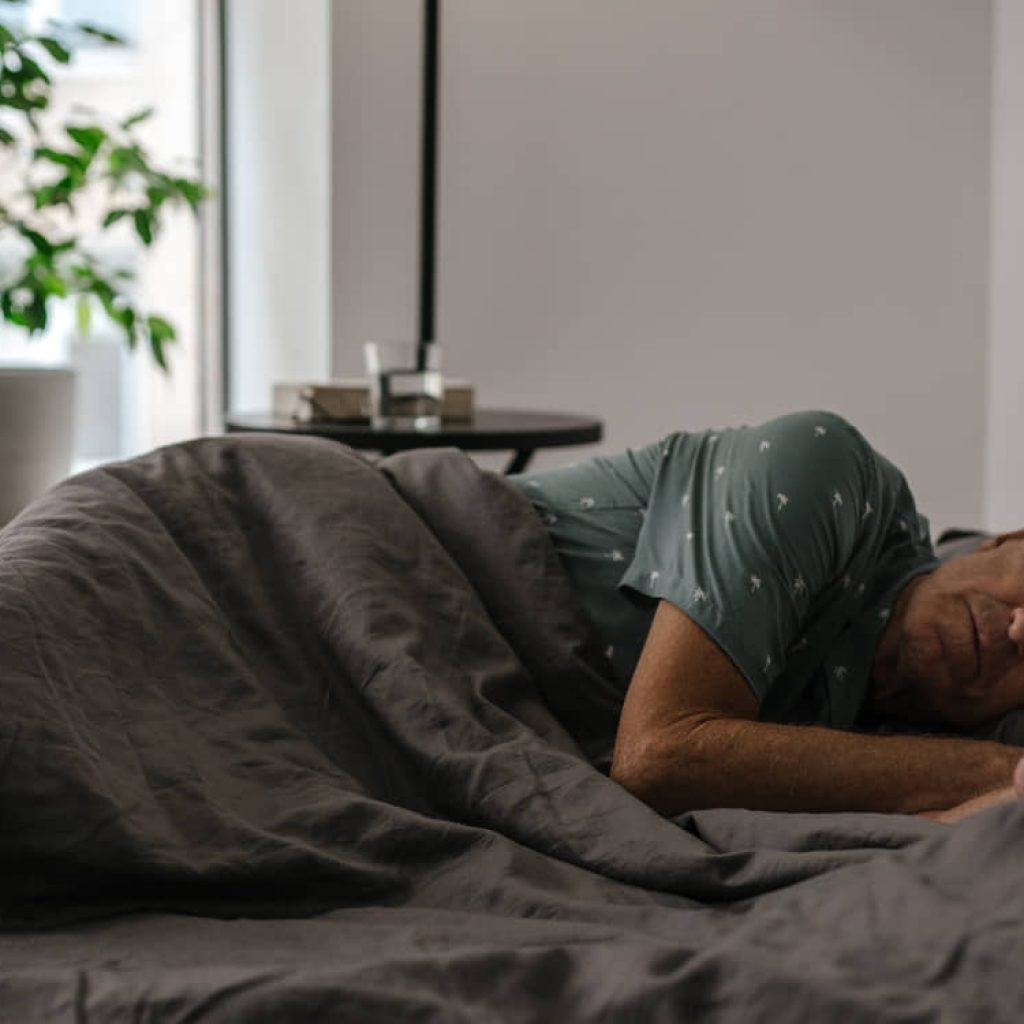
Why Your Sleep Changes After 55, and What Sound Can Do


Last Updated on September 20, 2026
If your sleep is not what it was in your thirties, you are not imagining it, and it is not a personal failing. Sleep genuinely changes as we move through our fifties and sixties, and understanding how puts you back in the driving seat.
The good news is that some of the levers are simple, cheap and low-risk. Sound is one of them, and the research in this area has become far more interesting of late.
This is a practical look at what shifts in your sleep after 55, why it happens, and where white noise, pink noise and binaural beats fit in. We will keep the claims honest, including where the science is still catching up.
What actually shifts in your sleep
Sleep is built from stages that repeat through the night. The deepest is slow-wave sleep, the physically restorative stage that helps with memory, mood and repair.
From early adulthood onward, the amount of that deep sleep slowly declines. By our fifties and sixties, sleep tends to be lighter, with more brief wake-ups and a greater share of the night spent in the shallower stages.
You may also notice your body clock drifting earlier, so you feel sleepy sooner in the evening and wake before you would like in the morning. This is a normal part of the picture, not a sign that anything is wrong with you.
None of this means poor sleep is inevitable. It means the machinery works a little differently now, so the tactics that help are worth revisiting.
The extra layer for women
For women, the menopause transition adds its own chapter. Sleep disturbance is among the most common experiences of these years, and it can linger.
Estimates suggest it affects somewhere between 40 and 69 per cent of women through the transition, most often as frequent night-time waking and more time lying awake once roused. Hot flushes and night sweats are a big part of it, pulling you out of sleep and making it hard to settle again.
If this is your reality, know that it is well recognised and worth raising with your GP, since there are several approaches that can help. Sound tools can sit alongside those conversations, not replace them.
Why deep sleep is worth protecting
Deep sleep is not just about feeling rested, though that matters plenty. It is when the brain does some of its housekeeping.
During these slow-wave stages, the brain consolidates memories and clears out waste products that build up during the day. Researchers are increasingly interested in that clearing process, because a sluggish version of it has been linked to the buildup of proteins involved in dementia.
This is exactly why the newest sound research has caught attention among people thinking about long-term brain health. It is worth understanding, provided we are clear about what has actually been shown.
White noise, for a noisier night
White noise is a steady, even wash of sound, like a fan or static, and it works mainly by masking. It smooths over the sudden noises that jolt you awake, a passing car, a possum on the roof, a partner shifting in bed.
The research here is genuinely mixed. The clearest benefit shows up in people whose sleep is being disrupted by environmental noise, which stands to reason, since masking is what solves that particular problem.
There is also a note of caution. Some recent work suggests continuous sound running all night may trim your deep sleep rather than protect it. So if you try white noise, keep the volume low, and consider a timer that lets it fade once you are asleep.
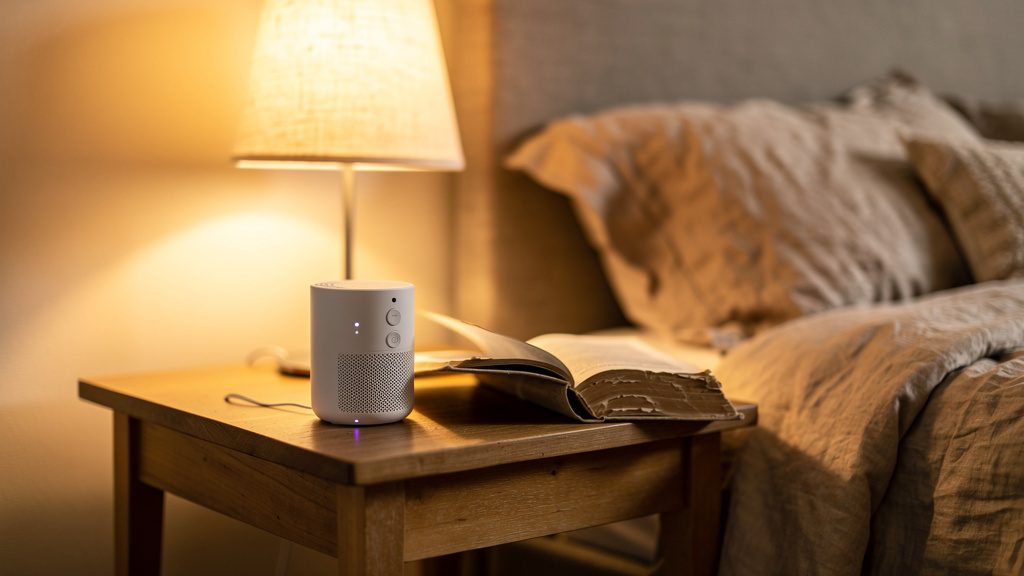
Pink noise, and the research everyone is talking about
Pink noise is white noise’s softer relative. It carries more of its energy in the lower, deeper tones, so it sounds rounder and gentler, closer to steady rain. Many people find it more soothing.
The reason it keeps making headlines is what happens when it is timed precisely. Studies have found that short pulses of pink noise, delivered at the exact right moment during deep sleep, can strengthen the slow brain waves that define that stage.
In September 2026, a team at MIT showed that these carefully timed bursts could boost the flow of the fluid that washes waste out of the brain during sleep. Earlier work at Northwestern had found that timed pink noise deepened sleep in people with mild memory impairment, with better recall the next day for those who responded most strongly.
Now the honest caveats, because they matter for our readers especially. These studies used laboratory equipment reading brain waves in real time to fire each burst at the perfect instant, in small groups. They point towards a future home device, most likely a headband, rather than something a phone app delivers today.
One more thing worth knowing. The response to this kind of timed stimulation appears to be a little weaker in older adults than in younger ones, so the benefit may prove more modest for our age group than the headlines imply. The direction is promising, the story is still being written, and a pink noise track you play tonight is best thought of as a pleasant, gentle masker for the moment.
Binaural beats, the headphone approach
Binaural beats are a different idea again. Play a slightly different tone in each ear and your brain perceives a third, phantom beat at the difference between them. The theory is that your brain waves gently settle into step with that beat.
Slower beats in the delta range, under 4 Hz, are matched to deep sleep, while slightly faster theta beats suit the drowsy drift towards sleep. Some people use short tracks for a quick afternoon reset, and there are longer recordings designed to move through the frequencies across a whole night, aiming to guide you through the sleep stages.
The evidence is promising rather than settled. Small studies suggest delta-range beats can help some people fall asleep faster and spend a little longer in deeper sleep, while the elaborate all-night programs are still being tested.
There is one firm rule. Binaural beats only work through headphones or earbuds, because each ear needs its own tone. That raises a real comfort question for overnight use, which we will come to next.

Making it work for you
A few practical points will help you get the most from any of these, and avoid the pitfalls.
Keep the volume gentle. Soft is better than loud, both for your sleep and for your hearing, which is worth guarding at any age.
Use a timer where you can. Letting the sound fade after you drift off sidesteps the worry about it eating into your deeper sleep later in the night.
Think carefully about headphones overnight. If you want to try binaural beats, choose flat, soft, sleep-specific headphones rather than hard earbuds, and skip them if you find anything in your ears uncomfortable through the night.
Watch for over-reliance. If you reach a point where you cannot sleep at all without your chosen sound, an occasional night off keeps you flexible, which helps when you travel.
And know when to look beyond sound. Loud snoring with pauses in breathing, persistent insomnia, or daytime exhaustion that will not lift are worth a proper conversation with your GP, since conditions like sleep apnoea are common and very treatable. Sound tools are a gentle first step, not a substitute for that.
Q&A
Is it normal to sleep less deeply after 55?
Yes. Deep sleep declines gradually from early adulthood, so lighter, more broken sleep is a common part of this stage of life. It is worth managing, but it is not a sign that something has gone wrong.
Will a pink noise app clear waste from my brain like the MIT study?
Not in the way that study did. The research used lab equipment to time each sound burst to your brain waves, which an ordinary app cannot do. Enjoy pink noise as a soothing sound for now, and watch this space for future devices.
Which should I try first?
If noise is waking you, start with white or pink noise to mask it. If a busy mind or an afternoon slump is your issue, a theta or delta binaural track through headphones is a good first experiment.
Do binaural beats work through a bedside speaker?
No. Each ear needs its own tone, and through a speaker they blend in the air and the effect is lost. Headphones or earbuds are required.
How long before I know if it helps?
Give any option a few consistent nights before you judge it. Sleep varies night to night, so a single trial tells you very little.
The takeaway
The way you sleep after 55 is different, not broken, and you have more say over it than you might think. Sound is a cheap, low-risk lever that is well worth a try.
Start with the option that matches your problem, keep the volume soft, and give it a fair run. And for anything that keeps you tired despite your best efforts, a chat with your GP is the sensible next step.